Product Catalog
Browse our selection of premium oils and white-label solutions.
Castor Oil

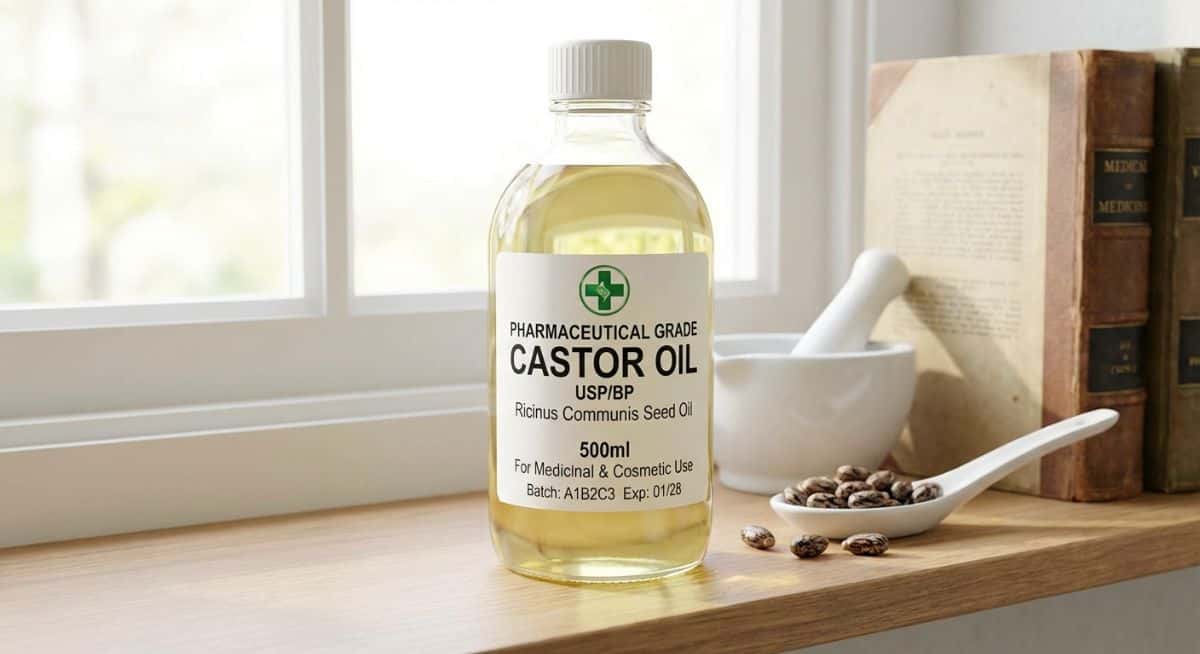
Our **pharmaceutical grade castor oil USP/BP** is a high-purity emollient and excipient extracted from premium castor seeds. It meets all major pharmacopoeia standards, making it ideal for medicinal formulations, skin care, and ingestible applications.

Pale Pressed Castor Oil from CanCastor is a premium industrial grade oil characterized by its lighter color and lower acidity compared to standard commercial grades. It is obtained from the first pressing of castor seeds, ensuring high purity and superior quality for demanding industrial applications. At CanCastor (CanCastor.com), our Pale Pressed grade is ideal for surface coatings, lacquers, and light-colored chemical derivatives where color retention is crucial. It bridges the gap between commercial and pharmaceutical grades, offering excellent functionality without the full cost of pharma-grade refining. ## Typical Applications * **Coatings:** Light-colored paints, varnishes, and lacquers. * **Adhesives:** High-performance bio-based adhesives. * **Derivatives:** Production of high-quality dehydrated castor oil and fatty acids.

This **commercial grade castor oil** is a versatile industrial feedstock essential for manufacturing **lubricants**, coatings, and polyols. It provides excellent viscosity and solubility for diverse chemical applications.

Urethane Grade Castor Oil is a highly refined, high-performance natural polyol specifically optimized for polyurethane and prepolymer manufacturing. Characterized by tightly controlled hydroxyl functionality, exceptionally low moisture content, and precise acidity levels, this premium grade ensures consistent reactivity and stability in sensitive PU systems. Derived from selected *Ricinus communis* seeds, it retains the natural ricinoleic acid structure that makes castor oil a unique bio-based polyol. Unlike standard industrial grades, Urethane Grade is processed to minimize impurities that can cause side reactions, foaming, or inconsistent curing. It is the material of choice for formulators seeking reproducible results in isocyanate-terminated prepolymers, cast elastomers, and high-performance adhesives. ### Typical Applications * **Polyurethane Elastomers & Prepolymers:** Serves as a primary natural polyol in cast elastomers, industrial rollers, and mining screens, offering superior hydrolysis resistance and flexibility. It is a critical backbone for stable isocyanate prepolymers. * **PU Coatings, Adhesives & Sealants:** Widely used in moisture-cure and two-component coatings for metal and concrete, providing excellent adhesion and chemical resistance. In sealants and joint fillers, it enhances tack, elasticity, and long-term durability. * **Specialty Polymers:** Ideal for impact-resistant linings and flooring systems where a balance of hardness and flexibility is required. It allows for increased renewable content in formulations without compromising mechanical performance.

Pale Pressed Grade Castor Oil (PP) from CanCastor stands as a testament to natural purity and versatile performance, meticulously extracted from the very first pressing of the finest *Ricinus communis* beans. This superior-grade castor oil is characterized by its distinctive pale yellow to yellow liquid appearance, signaling its pristine quality and minimal impurities. Our commitment to sustainable and rigorous processing ensures that each batch of PP grade oil retains the inherent beneficial properties of the castor bean, making it an indispensable raw material across a multitude of industries. ### Unparalleled Purity and Performance As a leading supplier, CanCastor provides Pale Pressed Castor Oil that meets stringent quality benchmarks. The "first pressing" method guarantees a product with exceptionally low acid value and high clarity, vital for sensitive applications. Its unique chemical composition, primarily composed of ricinoleic acid, imparts excellent lubricating, emulsifying, and wetting properties, making it a highly sought-after ingredient. *Customers trust PP grade for its consistent quality and reliability in critical formulations.* ### Diverse Industrial Applications The versatility of CanCastor's PP grade castor oil makes it a preferred choice for a broad spectrum of industrial uses: * **Cosmetics & Personal Care**: A natural emollient and humectant, perfect for lotions, soaps, lip balms, and hair care products. * **Lubricants**: Its high viscosity and thermal stability make it an excellent base for specialized industrial lubricants and greases. * **Coatings & Adhesives**: Contributes flexibility, adhesion, and water resistance to various paints, coatings, and adhesive formulations. * **Polyurethanes**: Serves as a key polyol component, enhancing properties in foams, elastomers, and sealants. * **Pharmaceutical & Nutraceutical Intermediates**: While not USP grade, its purity makes it suitable for various intermediate chemical syntheses. ### Why Choose CanCastor's PP Grade Castor Oil? CanCastor is dedicated to supplying premium castor oil products that empower our clients' innovations. Our Pale Pressed Grade Castor Oil offers: * **Superior Quality**: Derived from the initial cold pressing for maximum purity. * **Consistent Supply**: Reliable sourcing and efficient logistics ensure your production lines run smoothly. * **Technical Expertise**: Partner with our specialists to find the perfect castor solution for your specific needs. * **Sustainability**: Sourced responsibly, aligning with eco-conscious manufacturing practices. *Experience the difference that genuine quality makes with CanCastor's Pale Pressed Grade Castor Oil – the foundation for your next innovation.*

Deodorized Castor Oil is a high-purity, low-odor specialty oil processed to remove the characteristic smell of conventional castor oil. By subjecting refined oil to controlled steam stripping or vacuum treatment, volatile odor-causing components are reduced while preserving the oil's core chemistry. This results in a triglyceride rich in ricinoleic acid that maintains the same robust emollient, film-forming, and reactive properties as standard grades. With its practically neutral odor, light color, and excellent oxidative stability, Deodorized Castor Oil is the ideal choice for sensitive formulations where sensory profile is critical. It provides a clean base for fragranced or fragrance-free products, ensuring that the natural smell of the oil does not mask or alter the intended scent of the final product. It is particularly valued in premium cosmetics, lip care, and pharmaceutical ointments. ### Typical Applications * **Personal Care & Cosmetics:** Essential for facial creams, serums, and body butters where a neutral base is required. Widely used in lipsticks, mascaras, and balms to provide gloss and conditioning without imparting an off-odor. * **Pharmaceutical & Nutraceutical:** Serves as a patient-friendly excipient in topical ointments and medicated gels. Also used as a clean carrier oil in oral and herbal formulations requiring a neutral organoleptic profile. * **Industrial & Technical:** Applied in specialty lubricants and printing inks for odor-sensitive environments. Functions as a low-odor intermediate for esters and surfactants in premium coatings and adhesives.

BSS Grade Castor Oil from CanCastor is a high-purity refined castor oil manufactured to British Standard Specifications (BSS) / First Special Grade (FSG), offering consistent quality, low impurities, and excellent versatility for pharma-adjacent, cosmetic, and industrial applications. CanCastor’s BSS Grade Castor Oil is produced by refining commercial castor oil through degumming, neutralization, bleaching, and filtration to achieve low colour, low moisture, and controlled free fatty acids. The result is a pale yellow, bright, viscous liquid free from suspended matter. Available at CanCastor.com, this grade serves as a preferred starting material for castor derivatives and as a reliable functional oil for lubricants, personal care, and textiles due to its high purity (approx. 85% ricinoleic acid). ## Typical Applications * **Cosmetics:** Lotions, creams, and hair care. * **Chemicals:** Feedstock for hydrogenated castor oil and sebacic acid. * **Lubricants:** Base for specialty greases and fluids.

Cold-Pressed Castor Oil from CanCastor is a premium, mechanically extracted castor oil produced without chemical solvents or high heat, preserving maximum natural nutrients and purity. It is ideal for high-value cosmetic, personal care, nutraceutical, and specialty industrial applications that demand a clean, minimally processed, bio-based oil. At CanCastor (CanCastor.com), our Cold-Pressed Castor Oil is obtained by gently pressing selected, cleaned seeds of the castor plant (*Ricinus communis*) at low temperatures to protect the natural structure of the triglycerides and bioactive components. The oil is then filtered to remove suspended impurities, typically without aggressive refining, bleaching, or deodorizing steps, resulting in a rich, viscous oil with a characteristic pale yellow to golden color and mild natural odor. This extraction method avoids chemical solvents and minimizes oxidative degradation, making CanCastor's oil highly attractive for "natural," "clean beauty," and "organic" product lines. The oil is naturally rich in ricinoleic acid, offering strong emollient, conditioning, film-forming, and lubricating properties. ## Typical Applications * **Personal Care:** Soaps, lotions, hair oils, and balms. * **Wellness:** Aromatherapy carrier oil and traditional wellness packs. * **Specialty:** High-end artisanal formulations.

This **commercial grade castor oil** is a versatile industrial feedstock essential for manufacturing **lubricants**, coatings, and polyols. It provides excellent viscosity and solubility for diverse chemical applications.
Castor Oil Derivatives

Sebacic Acid from CanCastor is a bio‑based dicarboxylic acid primarily derived from castor oil, widely used in high‑performance polyamides (nylons), plasticizers, lubricants, and specialty resins. It offers an excellent balance of flexibility, chemical resistance, and thermal stability, making it a key ingredient in advanced polymer and coating systems. Also known as decanedioic acid, this linear C10 dicarboxylic acid is produced mainly via the controlled cleavage and oxidation of castor oil derivatives, ensuring a renewable, plant-based origin. It appears as a white, crystalline powder or flakes with low odor and superior thermal stability, designed for easy handling in standard industrial environments. At CanCastor, our Sebacic Acid is manufactured to consistent, high‑purity specifications with low moisture, controlled ash, and precise color standards. This enables reliable performance in nylon production, esterification processes, and lubricant formulations. Its bio‑based pedigree supports sustainable product development and green chemistry initiatives across global markets. ## Typical Applications * **Polyamides and Engineering Plastics:** Serves as the core monomer for polyamide 6,10, 10,10, and other long‑chain nylons. It imparts improved flexibility, lower moisture uptake, and better low‑temperature impact resistance compared to standard nylons like PA6 or PA66. Ideal for engineering components, automotive parts, and cable ties. * **Plasticizers, Esters, and Coatings:** A crucial raw material for sebacate esters (e.g., dioctyl sebacate - DOS) used as high‑performance plasticizers in PVC and flexible plastics. In alkyd and polyester resins, it improves flexibility, weatherability, and chemical resistance for industrial and marine coatings. * **Lubricants and Specialty Chemicals:** Essential for manufacturing synthetic esters found in aviation turbine oils, compressor oils, and biodegradable lubricants where thermal stability and low‑temperature fluidity are paramount.

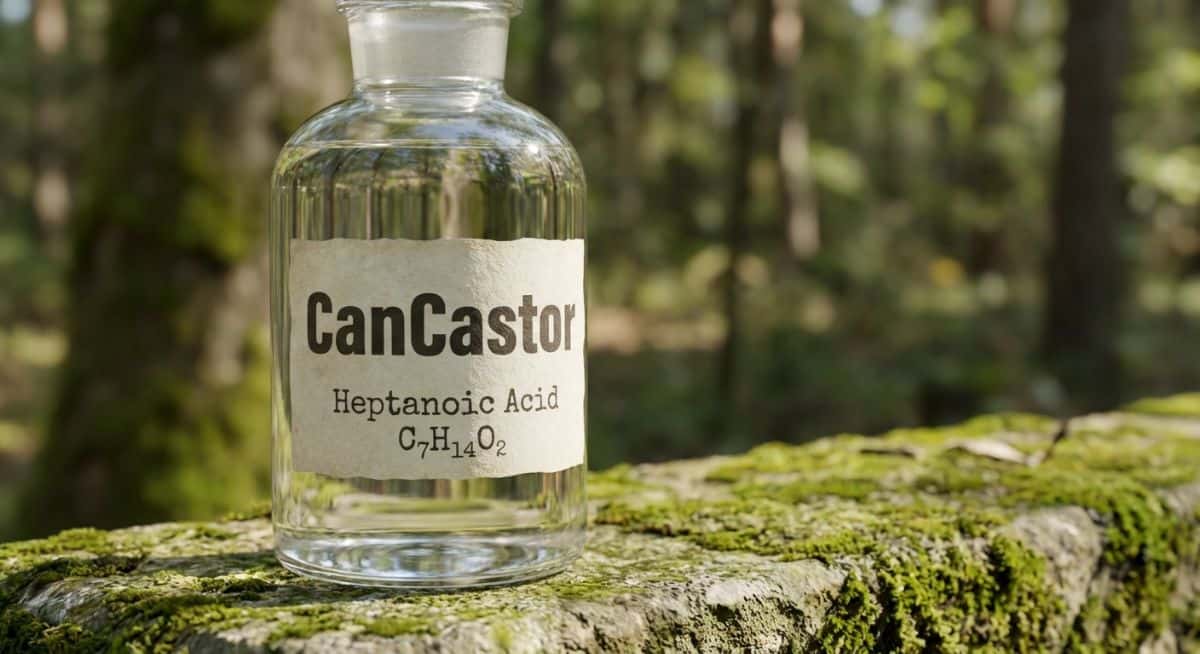
Heptanoic Acid from CanCastor is a castor‑derived, C7 saturated fatty acid used as a versatile intermediate in lubricants, metalworking fluids, corrosion inhibitors, fragrances, plasticizers, and agro‑pharma synthesis. Also known as n‑heptanoic acid or enanthic acid, this straight‑chain C7 carboxylic acid appears as a clear to slightly yellow, oily liquid with a characteristic pungent odor. Industrially, it is produced from castor oil via pyrolysis or from methyl ricinoleate, giving it a reliable, plant‑based origin suitable for bio‑based and specialty chemical applications. At CanCastor, Heptanoic Acid is offered in high‑purity grades with controlled moisture, acidity, and color. It serves as a robust building block for metalworking formulations, synthetic esters, corrosion inhibitors, and active‑ingredient intermediates across lubricant, agrochemical, and pharmaceutical value chains. ## Typical Applications * **Lubricants and Metalworking Fluids:** Salts and esters of heptanoic acid are widely used in metalworking fluids, industrial lubricants, and high‑performance aviation and refrigeration oils to enhance lubricity, stability, and corrosion protection. * **Hydraulic Fluids and Anticorrosion:** Heptanoate salts perform well in water‑based hydraulic fluids, industrial refrigerants, and aqueous anticorrosion systems thanks to their good hard‑water stability and anticorrosive properties. * **Fragrances, Flavors, and Cosmetics:** Heptanoic esters are key ingredients in fragrance and flavor formulations, while the acid is also used in cosmetic and personal‑care products as part of emollient esters. * **Agrochemicals and Pharmaceuticals:** Used as a chemical intermediate in synthesizing active substances (e.g., via heptanoyl chloride) and drug esters, taking advantage of its linearity and clean reactivity profile. * **Biodegradable Plastics:** Acts as a precursor for certain biodegradable polymers and specialty esters that offer improved flexibility and eco‑profile versus conventional petrochemical options.

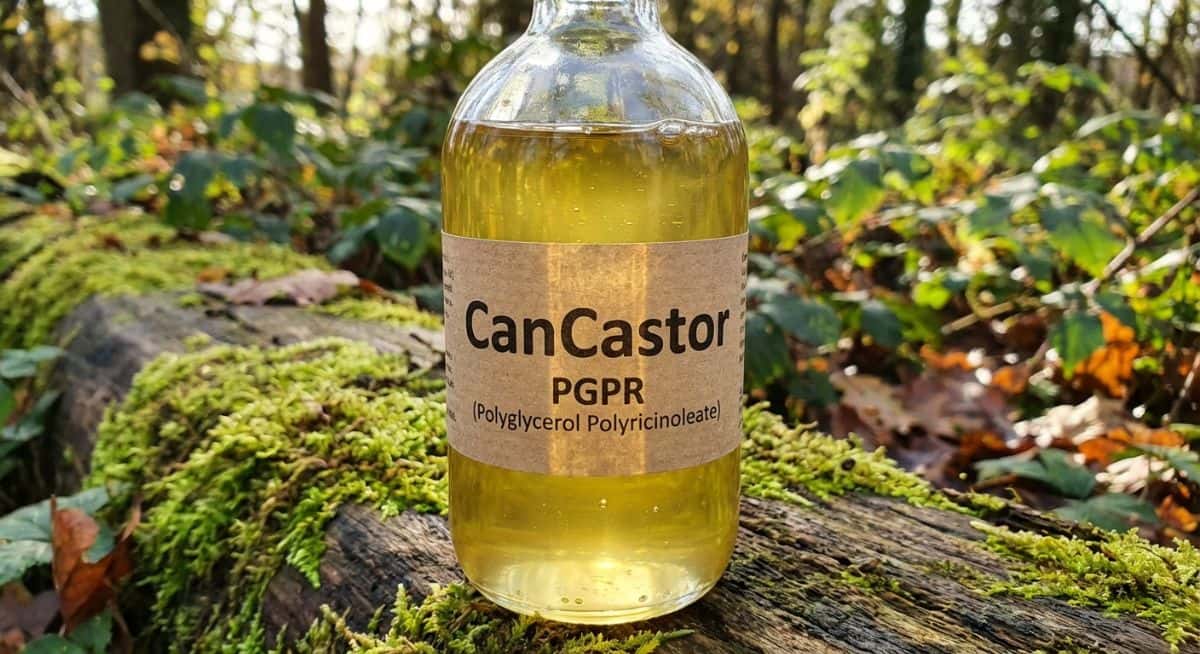
PGPR (Polyglycerol Polyricinoleate) is a highly versatile and essential emulsifier derived from the natural fatty acids of castor oil, making it a critical ingredient for the confectionery and food industries. Renowned for its exceptional ability to significantly reduce viscosity in chocolate and compound coatings, PGPR allows manufacturers to achieve superior flow properties without compromising product quality or taste. This translates directly into more efficient production processes, improved mold filling, and enhanced enrobing capabilities, leading to visually appealing and consistently smooth end products. CanCastor proudly supplies premium-grade PGPR, empowering our clients to innovate and excel in their respective markets. ### **Unlocking Optimal Viscosity for Superior Confectionery** Our PGPR acts as a powerful anti-bloom agent and viscosity modifier, playing a pivotal role in the processing of chocolate, fillings, and spreads. By effectively modifying the rheological properties of fat-based systems, it enables the creation of thinner, more manageable chocolate masses. This benefit is particularly pronounced during stages like molding, coating, and tempering, where precise viscosity control is paramount. Manufacturers can reduce the amount of cocoa butter or other fats without sacrificing workability, leading to cost efficiencies and potentially lower-fat product formulations that still maintain a luxurious mouthfeel. ### **The CanCastor Advantage: Quality & Performance** At CanCastor, we understand the critical importance of reliable ingredients. Our Polyglycerol Polyricinoleate is produced under stringent quality controls, ensuring a consistent and high-performance product that meets global food safety standards. It is a highly effective, _food-grade_ emulsifier, making it ideal for a wide range of applications beyond chocolate, including low-fat spreads, salad dressings, and certain bakery products. Choose CanCastor's PGPR to optimize your formulations, streamline production, and deliver an unparalleled sensory experience to your consumers. Elevate your product's texture, stability, and appeal with our premium PGPR solution.

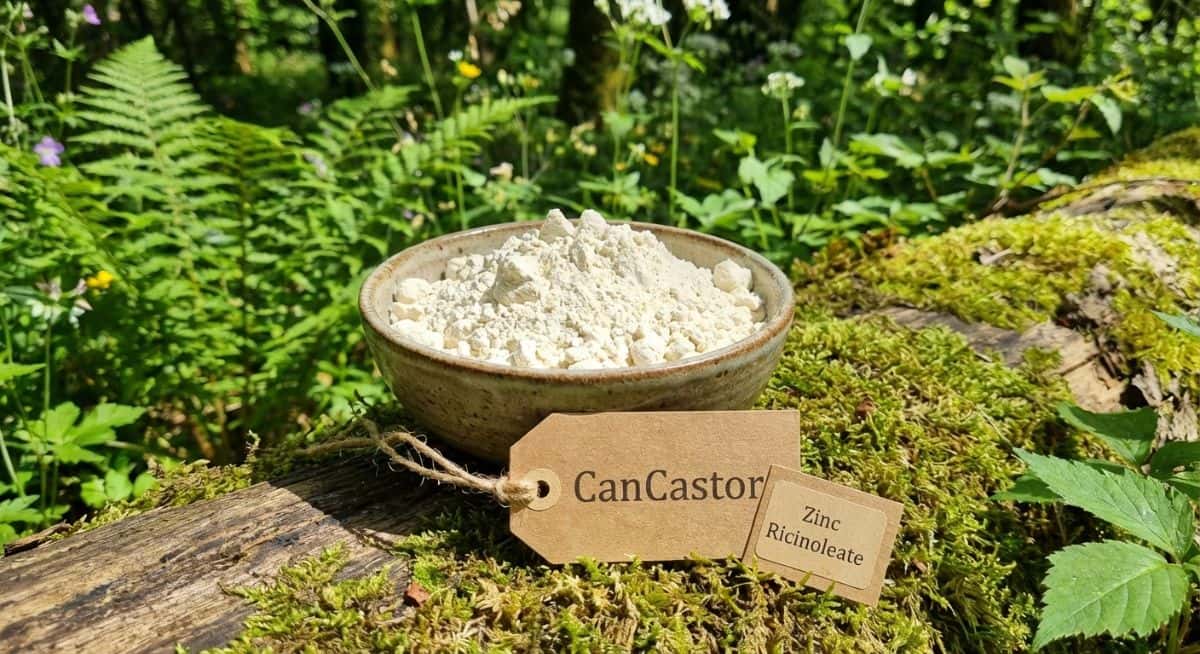
Zinc Ricinoleate from CanCastor is a high‑performance deodorizing active derived from castor oil, designed to capture and neutralize odor molecules rather than simply masking them. It is ideal for modern “clean label” deodorants, personal‑care products, and odor‑control systems in textiles, plastics, and household applications. Zinc Ricinoleate is the zinc salt of ricinoleic acid, the main fatty acid found in castor seed oil. Supplied typically as a white to off‑white solid or fine powder with a mild fatty odor, it is an oleochemical ingredient valued for its ability to trap and bind odor‑causing molecules, making them no longer perceivable. At CanCastor, Zinc Ricinoleate is produced from high‑quality castor‑oil derivatives and zinc to consistent purity and performance specifications, delivering excellent odor‑adsorbing efficiency with good skin compatibility and biodegradability. It is suitable for natural and aluminum‑free deodorant lines as well as technical odor‑control masterbatches and formulations. ## Typical Applications * **Personal Care and Deodorants:** Used in stick, roll‑on, cream, spray, and gel deodorants to complex and neutralize body‑odor molecules, offering long‑lasting odor control without blocking pores or relying on heavy fragrances. * **Home Care, Textiles, and Plastics:** Incorporated into detergents, fabric refreshers, shoe sprays, pet‑care products, and air‑care systems. Also used in masterbatches to impart built‑in odor‑control properties to flexible PVC, TPEs, and other plastics. * **Industrial and Specialty Uses:** Employed in technical odor‑control formulations for waste‑management, sanitary products, and industrial hygiene where persistent malodors must be minimized without aggressive disinfectants.

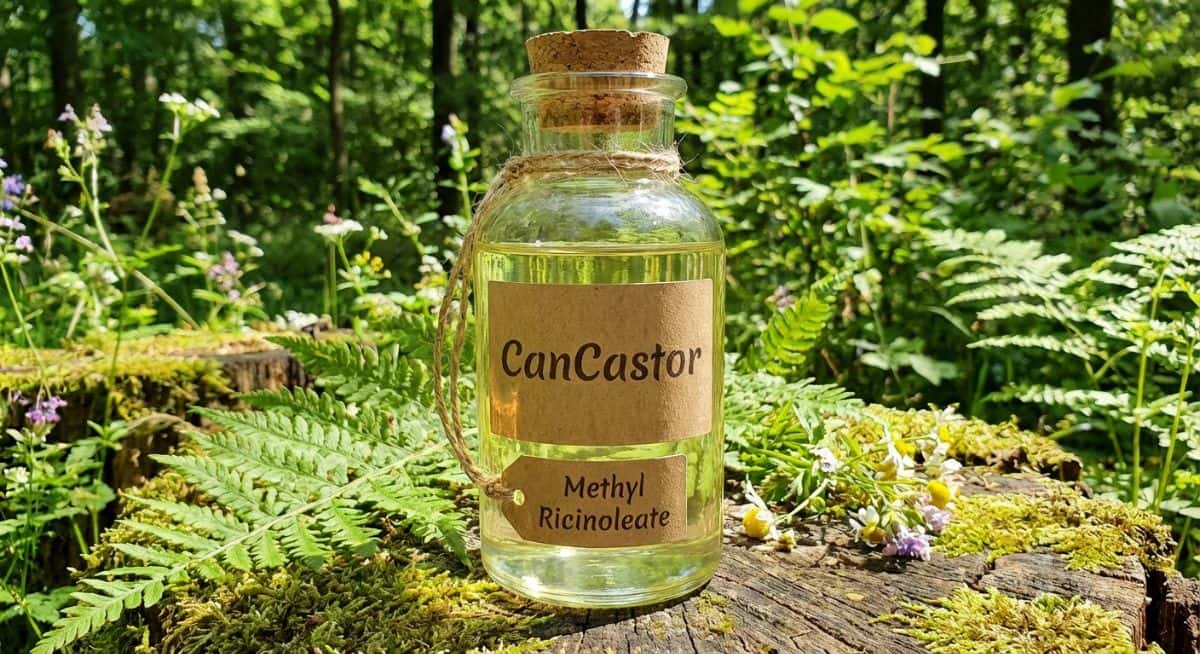
Methyl Ricinoleate from CanCastor is a castor‑oil–based methyl ester used as a high‑performance, bio‑based lubricant, plasticizer, and intermediate in polymers, coatings, and specialty chemical formulations. Methyl Ricinoleate is the methyl ester of ricinoleic acid, the predominant fatty acid naturally present in castor oil as a triglyceride. It is typically a clear, pale‑yellow, viscous liquid, insoluble in water but miscible with many organic solvents and oils, combining a long hydrophobic chain with a hydroxyl group that imparts polarity and excellent lubricity. At CanCastor, Methyl Ricinoleate is produced via controlled esterification or alcoholysis of castor derivatives, delivering consistent purity and low moisture tailored for lubricant, polymer, and personal‑care applications. ## Typical Applications * **Lubricants and Metalworking Fluids:** Used in hydraulic fluids, cutting oils, gear oils, and synthetic lubricants as a bio‑based base oil or additive that improves lubricity, film strength, and low‑temperature behavior. * **Polymer and Coating Industry:** Acts as a plasticizer for cellulosic resins, polyvinyl acetate, polystyrene, and other polymers, and as a component in thermosetting elastomers and specialty resins. * **Corrosion Inhibitors and Additives:** Serves as an additive in corrosion‑inhibitor packages and fuel or oil additives thanks to its surface activity and polar functional groups. * **Personal Care and Surfactant Systems:** Used as dispersing agent, emulsion stabilizer, conditioning agent, and emollient in selected cosmetic and personal‑care formulations. * **Emerging Uses:** Investigated for biodegradable plastics and eco‑friendly materials as a renewable fatty‑acid ester that can partially replace petrochemical inputs.

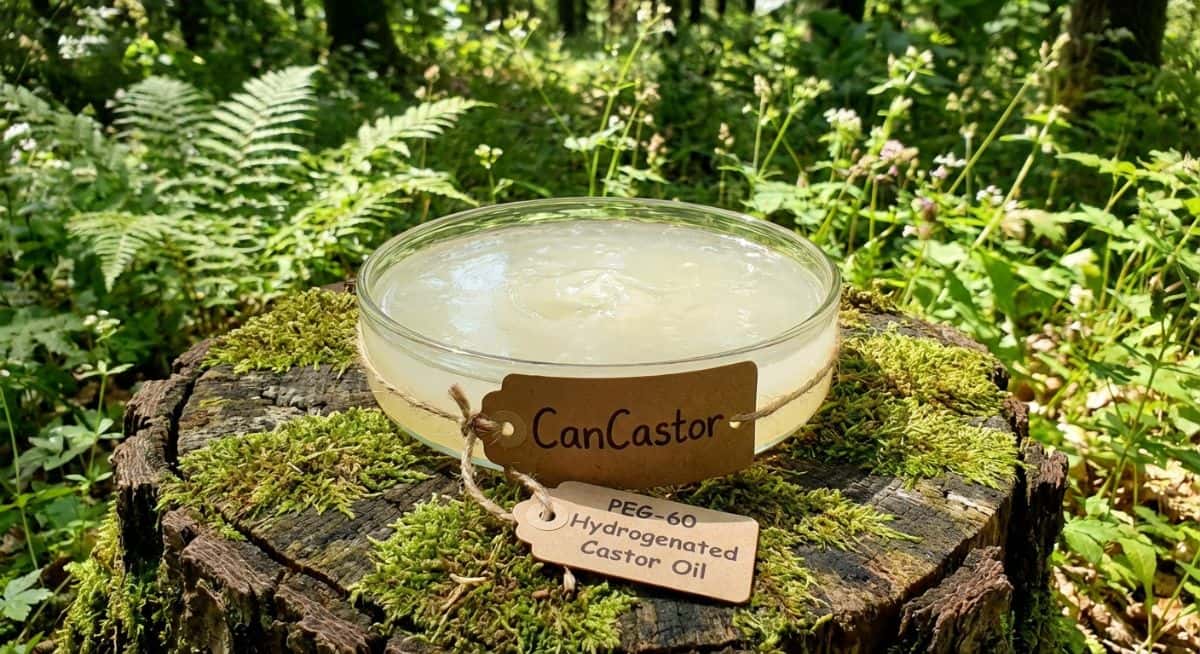
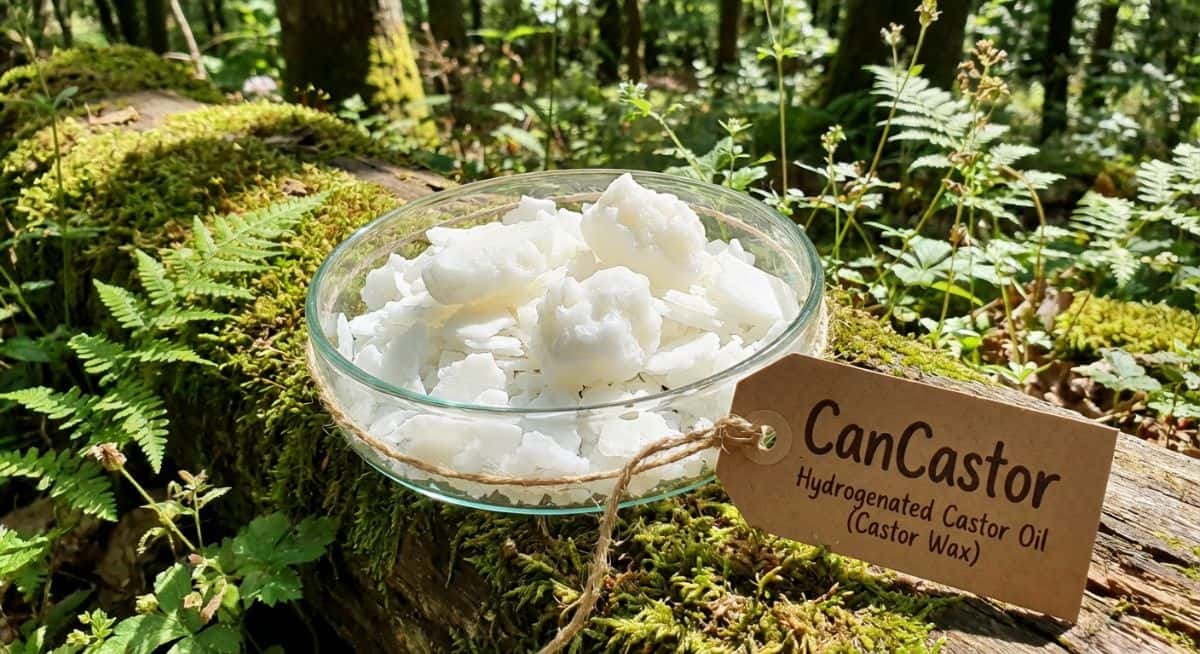
Hydrogenated Castor Oil (HCO), commonly called Castor Wax, is produced by fully hydrogenating refined castor oil, saturating the ricinoleic double bonds and yielding a brittle, odorless, high‑melting triglyceride solid. It appears as white to off‑white flakes, beads, or powder, with a melting point typically in the 84–88 °C range and excellent resistance to oxidation, hydrolysis, and moisture. At CanCastor, HCO is manufactured from selected castor oil with tight control of iodine value, acid value, and color, ensuring consistent performance as a structuring wax, anti‑settling agent, internal lubricant, and water‑repellent modifier across industries. ### Typical applications * **Coatings, inks, and adhesives:** Used as an anti‑settling and anti‑blocking agent, rheology modifier, and matting/structuring wax in solvent‑ and water‑based coatings, gravure/offset inks, hot‑melts, and sealants. HCO improves pigment suspension, scratch and mar resistance, water repellency, and surface slip. * **Plastics and rubber:** Functions as an internal lubricant, release agent, and nucleating/anti‑blocking aid in PVC, polyolefins, engineering plastics, and rubber compounds, improving processing, demoulding, and dimensional stability. * **Lubricating greases and oils:** Serves as a thickener and crystallizing agent in specialty greases and high‑temperature lubricants, where its high melting point and oxidative stability support consistent texture and performance. * **Cosmetics, polishes, and candles:** Used as a hard, glossy structuring wax in sticks, balms, pomades, polishes, and premium candles, contributing to hardness, gloss, and controlled melt profile.

**Castor Oil Ethoxylate** is a versatile non-ionic surfactant used in textile scouring, emulsification, and agrochemicals. It offers excellent stability and wetting properties for industrial formulations.

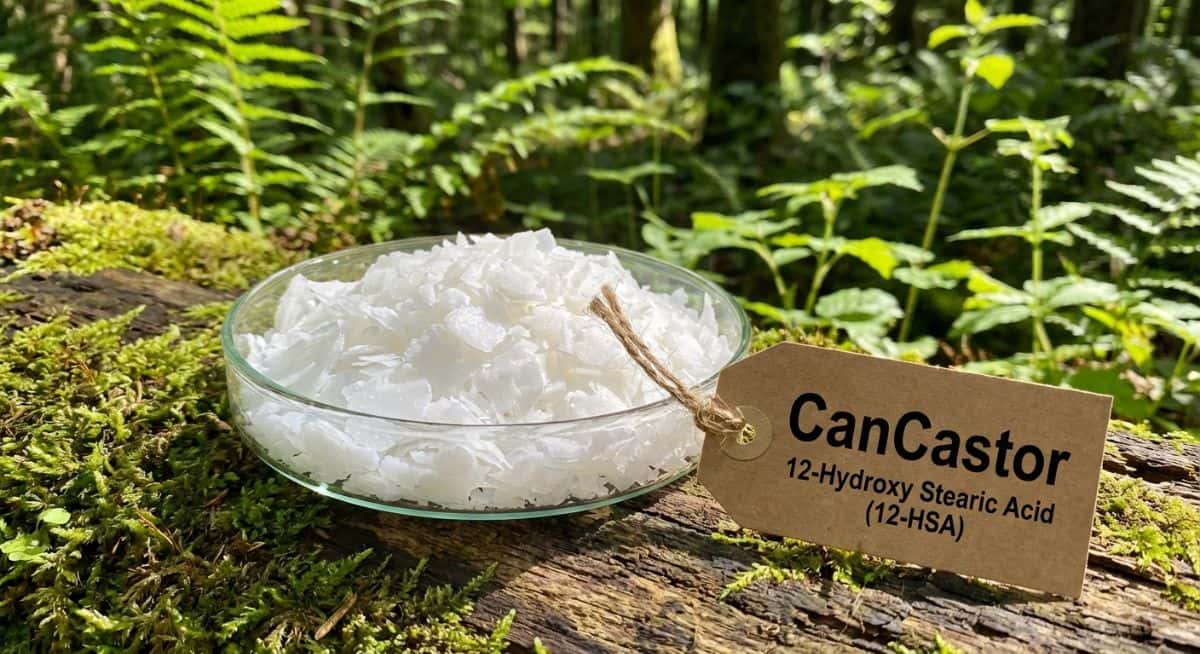
12-Hydroxy Stearic Acid (12-HSA) from CanCastor is a versatile and high-performance fatty acid, meticulously derived from sustainable castor oil. As a prominent castor oil derivative, 12-HSA boasts a unique hydroxyl group at the 12th carbon position, imparting exceptional properties that are invaluable across diverse industrial applications. This saturated fatty acid, with its inherent purity and stability, serves as a foundational building block for formulators seeking to elevate the performance and longevity of their end products. ### *Unlocking Superior Performance with 12-HSA* Our 12-HSA is renowned for its critical role in **high-performance lithium and calcium greases**. It functions as a powerful gelling agent, contributing to the structural integrity, thermal stability, and water resistance of lubricants. This translates to extended equipment life and reduced maintenance in demanding operational environments. Beyond lubrication, 12-HSA is an indispensable additive in the **plastics industry**, acting as an internal lubricant, slip agent, and processing aid to improve flow characteristics and surface finish. Its presence helps reduce friction during extrusion and molding, leading to enhanced productivity and product quality. ### *Innovation in Coatings and Beyond* In **coatings formulations**, 12-HSA serves as an effective rheology modifier and dispersing agent, improving pigment suspension and overall application properties. Its ability to influence viscosity and improve adhesion makes it a vital component for durable and aesthetically pleasing finishes. CanCastor’s commitment to quality ensures a consistent supply of premium 12-HSA, empowering innovators to create superior products while adhering to sustainable practices. Choose CanCastor's 12-HSA for unmatched purity, consistent performance, and a renewable resource advantage in your critical applications.

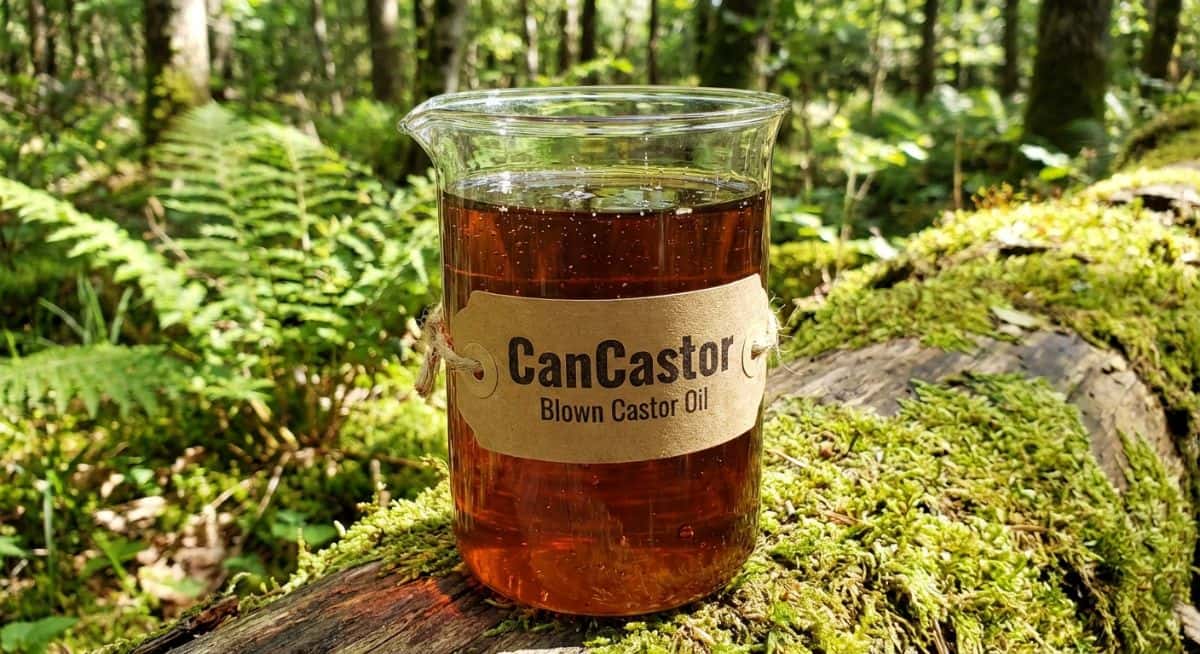
**Blown Castor Oil** is an oxidized **castor oil derivative** with increased viscosity and drying properties. It is widely used in plasticizers, lacquers, and leather coatings for superior durability.

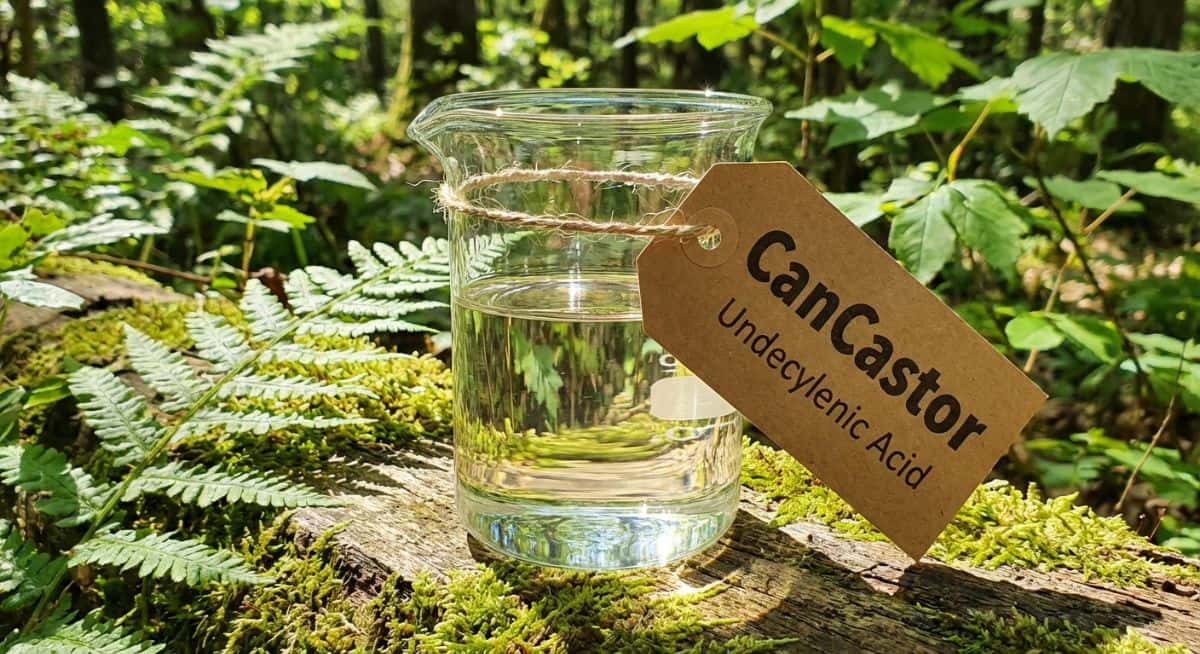
Undecylenic Acid is a high-purity, organic unsaturated fatty acid derived from castor oil through thermal cracking. It appears as a colorless to pale yellow liquid or low-melting solid with a characteristic odor. ## Key Applications * **Pharmaceuticals:** Widely used as an active ingredient in antifungal formulations for treating skin infections like athlete's foot (tinea pedis) and ringworm, due to its ability to inhibit fungal growth and biofilm formation. * **Polymers & Plastics:** Serves as a crucial chemical intermediate and precursor for the production of Nylon-11 (Polyamide 11), a high-performance engineering bio-plastic known for its durability and flexibility. * **Personal Care:** Used in cosmetics, perfumes, and musk formulations as a fixative and intermediate. * **Industrial:** Acts as a raw material for specialty chemicals, corrosion inhibitors, and lubricants. Our Undecylenic Acid is produced from renewable castor oil, making it a sustainable choice for bio-based chemical applications.

Methyl‑12‑Hydroxystearate is the methyl ester of 12‑hydroxystearic acid, itself obtained by hydrogenation and splitting of castor oil, then esterified with methanol to give a low‑odor, waxy solid or high‑viscosity liquid depending on temperature. The molecule combines a long C18 saturated chain, a secondary hydroxyl group, and an ester function, delivering excellent lubricity, polarity, and controlled crystallinity for structuring and slip in both industrial and cosmetic systems. At CanCastor, Methyl‑12‑Hydroxystearate is produced from high‑purity castor streams with tight control on acid value, ester content, and color to ensure reproducible performance in demanding applications. ## Typical Applications * **Lubricants and greases:** Used as a biodegradable base oil and co‑thickener in specialty greases and lubricants, where its hydroxyl functionality improves film strength, polarity, and low‑temperature flow compared with fully paraffinic esters. * **Polymers, coatings, and plasticizers:** Acts as an internal lubricant and plasticizer in plastics and powder‑coating systems, improving flow, slip, and anti‑blocking while maintaining good mechanical strength and heat stability. * **Waxes, polishes, and personal care:** Functions as a structuring wax, slip agent, and emollient in polishes, sticks, balms, and creams, enhancing gloss, payoff, and texture in both industrial and cosmetic products.

CanCastor proudly presents Turkey Red Oil (Sulfonated Castor Oil), a highly versatile and essential castor oil derivative renowned for its exceptional water solubility and powerful surface-active properties. As a premier emulsifier and wetting agent, it plays a critical role in enhancing product performance across a multitude of industrial and personal care applications. Sourced and processed with CanCastor's commitment to quality, our Turkey Red Oil provides formulators with a reliable ingredient to achieve superior dispersion, lubrication, and formulation stability. ### Unrivaled Emulsification & Wetting Capabilities Turkey Red Oil excels as a natural non-ionic emulsifier, facilitating the stable blending of oil and water phases in various systems. Its unique molecular structure allows it to significantly lower surface tension, making it an outstanding wetting agent that improves the penetration and spreadability of liquids. This dual functionality is invaluable in formulations requiring uniform distribution and enhanced absorption, ensuring consistent product performance and aesthetic appeal. ### Key Applications Across Industries #### *Textile Industry Excellence* In the textile sector, Turkey Red Oil is indispensable. It acts as an excellent **dyeing assistant**, promoting uniform color uptake and preventing unevenness. As a **scouring agent**, it helps remove impurities from fabrics, leading to cleaner, more receptive materials. Furthermore, its lubricating properties reduce fiber friction during processing, improving efficiency and fabric integrity during **printing** and finishing. #### *Cosmetic & Personal Care Formulations* For cosmetics and personal care, Turkey Red Oil is a preferred choice due to its mildness and conditioning properties. It's widely utilized in: * **Bath oils and shampoos** as an emulsifier to create milky dispersions and improve lather. * **Lotions and creams** for its softening and moisturizing effects. * **Liquid detergents and soaps** to enhance cleaning efficacy and mildness. #### *Beyond Textiles and Cosmetics* Its utility extends further into sectors such as **agrochemicals** (as an emulsifier for pesticide formulations), **leather processing** (for fat liquoring), and **specialty lubricants**. CanCastor's Turkey Red Oil offers a sustainable and effective solution for diverse industrial needs. ### Why Choose CanCastor's Turkey Red Oil? At CanCastor, we guarantee a consistent supply of high-purity Turkey Red Oil, backed by rigorous quality control. Our product ensures optimal performance, reliability, and ease of integration into your manufacturing processes. Partner with CanCastor for a superior-grade sulfonated castor oil that elevates your product formulations.

Hydrogenated Castor Oil (HCO), commonly called Castor Wax, is produced by fully hydrogenating refined castor oil, saturating the ricinoleic double bonds and yielding a brittle, odorless, high‑melting triglyceride solid. It appears as white to off‑white flakes, beads, or powder, with a melting point typically in the 84–88 °C range and excellent resistance to oxidation, hydrolysis, and moisture. At CanCastor, HCO is manufactured from selected castor oil with tight control of iodine value, acid value, and color, ensuring consistent performance as a structuring wax, anti‑settling agent, internal lubricant, and water‑repellent modifier across industries. ### Typical applications * **Coatings, inks, and adhesives:** Used as an anti‑settling and anti‑blocking agent, rheology modifier, and matting/structuring wax in solvent‑ and water‑based coatings, gravure/offset inks, hot‑melts, and sealants. HCO improves pigment suspension, scratch and mar resistance, water repellency, and surface slip. * **Plastics and rubber:** Functions as an internal lubricant, release agent, and nucleating/anti‑blocking aid in PVC, polyolefins, engineering plastics, and rubber compounds, improving processing, demoulding, and dimensional stability. * **Lubricating greases and oils:** Serves as a thickener and crystallizing agent in specialty greases and high‑temperature lubricants, where its high melting point and oxidative stability support consistent texture and performance. * **Cosmetics, polishes, and candles:** Used as a hard, glossy structuring wax in sticks, balms, pomades, polishes, and premium candles, contributing to hardness, gloss, and controlled melt profile.

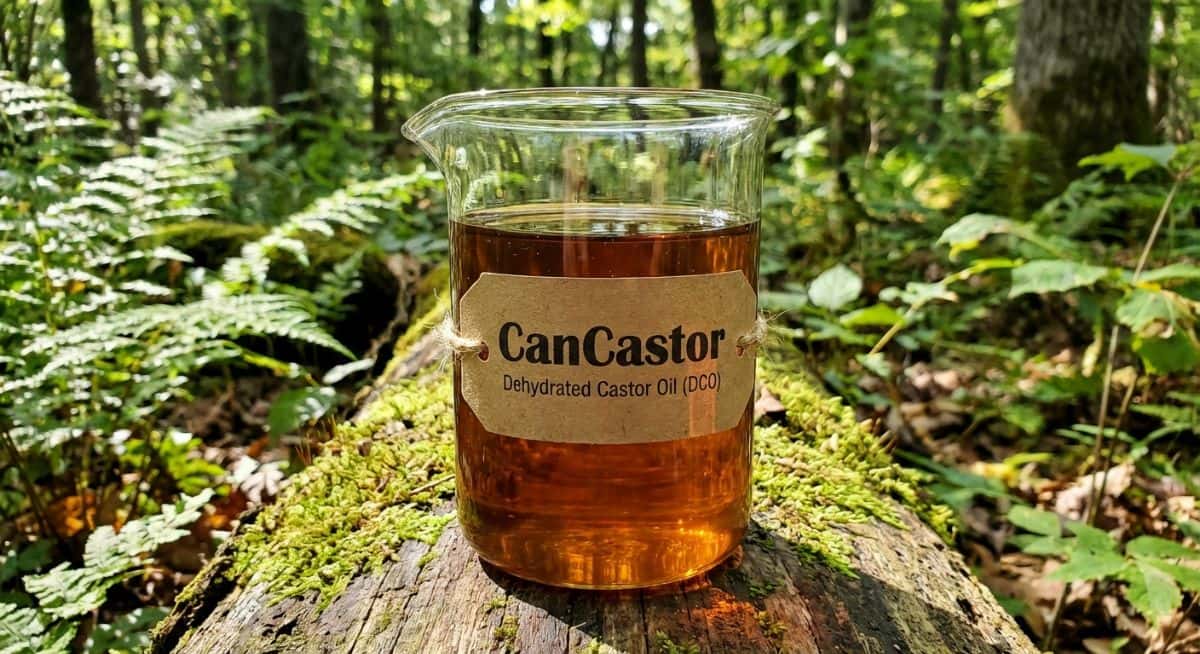
Dehydrated Castor Oil (DCO) from CanCastor is a high-performance, bio-based drying oil engineered for modern paints, coatings, and inks that demand fast drying, excellent gloss, and long-term color stability. It is an ideal choice for resin manufacturers, paint producers, and ink formulators seeking a sustainable, castor-based alternative to conventional drying oils. Dehydrated Castor Oil (DCO) is produced by chemically dehydrating refined castor oil derived from *Ricinus communis* seeds, converting its hydroxyl-rich ricinoleic structure into a more highly unsaturated, conjugated system. This transformation gives DCO semi-drying to drying characteristics comparable to soya or tung oil, but with superior flexibility and non-yellowing behavior, making it particularly suitable for light-colored and clear coatings. At CanCastor, DCO is manufactured with tight control over color, acid value, and viscosity to ensure excellent batch-to-batch consistency in alkyd, epoxy-ester, and polyurethane resin production. Formulators benefit from a renewable, low-VOC-enabling raw material that supports high gloss, good flow and leveling, and durable films in demanding end-use environments. ## Typical Applications ### Paints, coatings, and varnishes Key raw material for DCO-based alkyd resins used in industrial and decorative paints, metal coatings, wood finishes, and baking enamels requiring fast drying, good hardness, and weather resistance. Ideal for white and pastel shades, appliance finishes, and architectural trim where low yellowing, strong gloss retention, and long-term color stability are critical performance requirements. ### Printing inks and overprint varnishes Used in offset, gravure, and flexographic ink systems to improve pigment wetting, gloss, flexibility, and rub resistance on paper, board, and flexible substrates. Incorporated into clear overprint varnishes and lacquers to enhance adhesion, scuff resistance, and anti-blocking properties in high-speed printing and packaging applications. ### Industrial resins and specialty systems Serves as a bio-based component in epoxy esters, polyurethane dispersions, and hybrid resin systems for coil coatings, can coatings, and protective coatings exposed to chemicals and outdoor weathering. Applied in selected plasticizers, sealants, and adhesive formulations where a balance of flexibility, toughness, non-yellowing behavior, and sustainability is required.