Sorbitan Mono Laurate (SML) Demystified: A Lab Technician's How-To Guide for Precision Formulations
Chemical Engineer
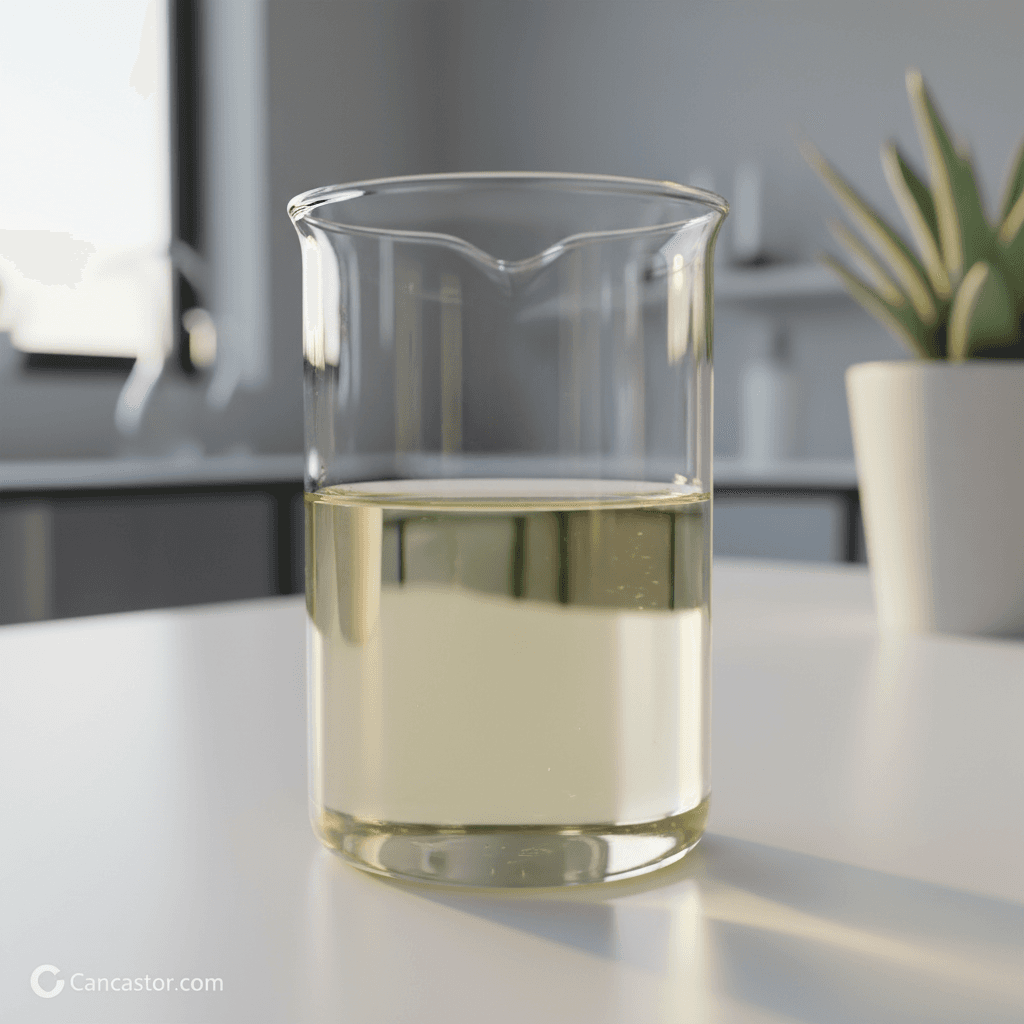
Sorbitan Mono Laurate (SML), widely recognized by its trade name Span 20 or its INCI name, Sorbitan Laurate (CAS: 1338-39-2), is an indispensable tool in the modern laboratory. As a highly versatile non-ionic surfactant, SML forms the backbone of countless emulsions, dispersions, and solubilized systems across industries. Its unique lipophilic character and approximate HLB value of 8.6 position it perfectly as a primary emulsifier for oil-in-water (O/W) systems, or as a co-emulsifier in more complex formulations. For the discerning lab technician, mastering SML isn't just about understanding its chemical structure; it’s about unlocking its full potential through precise handling, strategic formulation, and rigorous quality control. This comprehensive guide is designed to empower you with the practical knowledge and step-by-step procedures to confidently integrate SML into your R&D and production workflows, ensuring optimal performance and product stability.
Understanding Sorbitan Mono Laurate (SML): Your Essential Emulsifier
SML is synthesized through the esterification of sorbitol with lauric acid, resulting in a yellowish, viscous liquid that is sparingly soluble in water but soluble in oils and organic solvents. Its non-ionic nature makes it particularly stable across a wide pH range and compatible with a broad spectrum of other surfactants and active ingredients. This characteristic is vital in preventing issues like ionic precipitation that can plague formulations using charged surfactants. Its low irritation profile also makes it highly favored in sensitive applications. The diverse grades of SML – Food, Cosmetic, Pharma, and Industrial – underscore its adaptability, with each grade adhering to specific purity and regulatory requirements.
The Critical Role of HLB in SML Applications
The Hydrophilic-Lipophilic Balance (HLB) system is a foundational concept when working with SML. With an HLB value around 8.6, SML is predominantly lipophilic, meaning it preferentially dissolves in the oil phase. This property makes it an excellent choice for forming stable oil-in-water emulsions, where it helps to reduce the interfacial tension between the oil and water phases, facilitating the dispersion of oil droplets throughout the aqueous continuous phase. Understanding and leveraging SML's HLB is key to selecting the right emulsifier blend for your target emulsion type and stability requirements. For instance, when aiming for a water-in-oil (W/O) emulsion, you might pair SML with a more hydrophilic co-emulsifier, or look to other sorbitan esters like Sorbitan Tri Oleate (High Oleic Grade) STO HI that offer different HLB profiles.
Best Practices for Handling and Storage of Sorbitan Mono Laurate
Safe and effective handling of SML begins with proper storage and adherence to laboratory safety protocols. While SML is generally considered safe, good laboratory practices (GLP) are essential to prevent contamination and ensure product integrity.
Storage Guidelines:
- Temperature: Store SML in a cool, dry place, ideally between 15-25°C (59-77°F). Avoid extreme temperatures, as prolonged exposure to heat can accelerate degradation, and cold temperatures may increase viscosity, making dispensing difficult.
- Container: Keep SML in its original, tightly sealed containers to prevent moisture absorption and oxidation. Nitrogen blanketing can be considered for large bulk containers to prevent air exposure over time.
- Shelf Life: Refer to the Certificate of Analysis (COA) for the specific batch's recommended retest date. Proper storage is crucial for maintaining the product's efficacy throughout its stated shelf life.
Safety Precautions:
- Personal Protective Equipment (PPE): Always wear appropriate PPE, including safety glasses or goggles, gloves (nitrile or neoprene are generally suitable), and a lab coat. In cases where airborne mists or aerosols might be generated, respiratory protection should be considered.
- Ventilation: Work in a well-ventilated area, preferably under a fume hood, especially when heating or mixing to prevent inhalation of vapors or mists.
- Spill Response: In case of a spill, contain the material with inert absorbent (e.g., sand, vermiculite) and dispose of it according to local regulations. Consult the Material Safety Data Sheet (MSDS) for detailed emergency procedures specific to your SML grade.
Precision Formulation Techniques with SML: A Step-by-Step Guide
Integrating SML into your formulations requires careful attention to detail. Here’s a practical, step-by-step approach for creating stable O/W emulsions, a common application for SML.
Scenario 1: Developing a Cosmetic Lotion (O/W Emulsion)
Goal: Create a stable, moisturizing O/W lotion with 20% oil phase using SML (Span 20) as the primary emulsifier, often paired with a hydrophilic co-emulsifier like Polysorbate 60 (Tween 60) for a balanced HLB.
Materials:
- Sorbitan Mono Laurate (SML, Cosmetic Grade)
- Polysorbate 60 (Tween 60) (Co-emulsifier)
- Oil Phase Ingredients (e.g., mineral oil, jojoba oil, fatty alcohols)
- Water Phase Ingredients (e.g., deionized water, humectants)
- Preservative, fragrance, active ingredients (as needed)
- Heating plates, overhead stirrer, pH meter, viscometer.
Procedure:
- Preparation of Oil Phase: Weigh out all oil-soluble ingredients, including SML and any other oil-soluble co-emulsifiers. Heat the oil phase gently to 70-75°C (158-167°F) with slow stirring until all ingredients are fully melted and homogenous. Ensure no lumps or undissolved particles remain.
- Preparation of Water Phase: In a separate beaker, weigh out all water-soluble ingredients, including Polysorbate 60 (if used). Heat the water phase to the same temperature (70-75°C) as the oil phase. Maintain stirring to ensure even heating and dissolution.
- Emulsification: Slowly add the heated oil phase to the heated water phase with continuous, high-shear stirring (e.g., using an overhead stirrer with a propeller blade or a homogenizer). The key here is gradual addition while maintaining sufficient shear to create fine oil droplets immediately upon contact. Continue high-shear mixing for 10-15 minutes at the elevated temperature.
- Cooling & Post-Emulsification: Reduce the stirring speed to moderate and begin cooling the emulsion. As the emulsion cools, it will thicken. Continue stirring until the temperature drops below 35-40°C (95-104°F). This slow cooling and continued mixing aid in the formation of a stable crystalline network, preventing phase separation.
- Addition of Heat-Sensitive Ingredients: Once the emulsion is cool enough (below 35°C), incorporate any heat-sensitive ingredients such as fragrances, preservatives, or active botanical extracts. Adjust pH if necessary.
- Quality Control: Measure pH, viscosity, and conduct visual inspections for homogeneity and stability. For long-term stability, perform accelerated stability tests (e.g., centrifuge tests, freeze-thaw cycles, oven stability at 40°C).
Troubleshooting Common SML Emulsion Issues:
- Phase Separation: Often due to insufficient emulsifier concentration, incorrect HLB balance, or inadequate shear during emulsification. Increase SML concentration, adjust co-emulsifier ratios, or enhance mixing intensity.
- Particle Size: Large oil droplets can indicate insufficient shear or improper addition rate. Ensure thorough mixing and controlled addition.
- Inversion: If an O/W emulsion turns into a W/O emulsion, the water phase might have been added too quickly, or the HLB balance is too low. Adjust addition rate and emulsifier system.
Quality Control and Analytical Considerations for SML
Ensuring the quality and performance of SML in your formulations requires adherence to industry standards and robust analytical testing. For pharmaceutical or food applications, SML (Sorbitan Laurate) must meet specific monographs such as the United States Pharmacopeia (USP) or National Formulary (NF), which define purity, identification, and impurity limits. These standards are critical for patient safety and product efficacy. Regular checks for hydroxyl value, saponification value, acid value, and moisture content are standard practices to verify the material's identity and purity, aligning with specifications provided by suppliers like CanCastor.
Real-World Applications: SML in Action
SML's versatility extends across numerous sectors, proving its efficacy in diverse real-world scenarios.
Pharmaceutical Industry:
SML, particularly the pharmaceutical grade, serves as a crucial emulsifier and solubilizer in oral and topical drug delivery systems. It aids in dispersing poorly soluble active pharmaceutical ingredients (APIs), enhancing their bioavailability. For example, in the formulation of a corticosteroid cream (an O/W emulsion), SML helps to uniformly distribute the active drug throughout the cream base, ensuring consistent dosage upon application. Its low irritation profile makes it suitable for dermal preparations.
Food & Beverage Sector:
As a food additive (E493 in Europe), SML plays a vital role in confectionery, baked goods, and dairy alternatives. It acts as an anti-crystallization agent in chocolate, preventing fat bloom, and improves the texture and shelf-life of margarine and imitation creams by stabilizing the emulsion. A key market fact highlighting its importance: the global market for sorbitan esters, including SML, was valued at over USD 715 million in 2022 and is projected to continue steady growth, driven by their indispensable role as emulsifiers in diverse industries.
Cosmetics & Personal Care:
In cosmetic formulations, SML (Span 20) is a go-to choice for lotions, creams, sunscreens, and makeup. Its ability to create stable O/W emulsions ensures that oil-soluble active ingredients, like vitamins or botanical extracts, are evenly dispersed and effectively delivered to the skin. It contributes to a smooth skin feel and prevents product separation over time, directly influencing consumer perception and product longevity. Its function is similar to how Sorbitan Mono Stearate (SMS) is used to achieve excellent emulsion stability in other cosmetic bases.
Industrial Manufacturing:
Beyond direct consumption, industrial-grade SML finds applications as an emulsifier in metalworking fluids, textile processing, and emulsion polymerization. In metalworking fluids, it helps to create stable oil-in-water emulsions that provide lubrication and cooling, preventing corrosion and extending tool life. This ensures high-performance machining operations and contributes to the longevity of industrial equipment, showcasing SML's foundational role in manufacturing efficiency.
Partnering with CanCastor for Your SML Needs
When sourcing critical raw materials like Sorbitan Mono Laurate, quality, reliability, and technical support are paramount. CanCastor stands as a premium global supplier, committed to delivering high-grade SML tailored to your specific industry requirements.
Our commitment to trustworthiness and quality is demonstrated through:
- Comprehensive Documentation: Every batch of CanCastor SML is accompanied by a Certificate of Analysis (COA), Technical Data Sheet (TDS), and Material Safety Data Sheet (MSDS). These documents provide critical information on product specifications, handling, and regulatory compliance, ensuring you have all the necessary data for your internal quality systems and regulatory submissions.
- Certified Quality Standards: Our products, including all grades of Sorbitan Mono Laurate, meet stringent international quality standards such as ISO 9001 and, where applicable, comply with FDA, USP/NF, and REACH guidelines, reaffirming our dedication to purity and performance. Learn more about CanCastor's sourcing standards.
- Bulk Logistics Capabilities: Whether you require drums, IBCs, or flexi-tanks, CanCastor's robust global logistics network ensures timely and efficient delivery of bulk Sorbitan Mono Laurate to your facility, anywhere in the world. Our supply chain is designed for reliability, minimizing disruptions and supporting your production schedules.
- Expert Technical Support: Our team of industrial chemical specialists is available to provide technical assistance, helping you optimize SML integration into your formulations and troubleshoot challenges. We aim to be more than a supplier; we strive to be a long-term partner in your success.
Explore the full range of possibilities with CanCastor’s premium Sorbitan Mono Laurate. Our comprehensive product page offers detailed specifications and immediate access to support. You can also browse our full chemical catalog for other essential ingredients.
Conclusion
Sorbitan Mono Laurate is far more than just another chemical; it's a cornerstone for innovation in countless formulations. For the lab technician, understanding its properties, mastering its handling, and applying it with precision are key to achieving product stability and performance. By leveraging the insights and practical steps outlined in this guide, you can confidently harness SML to create superior products, backed by the consistent quality and reliable supply from CanCastor.
Request a wholesale quote for premium Sorbitan Mono Laurate (SML) and elevate your formulations today. You can also View Sorbitan Mono Laurate (SML) Technical Specifications for more detailed information.