Optimizing Performance with 12-HSA: A Deep Dive for Formulators and Engineers
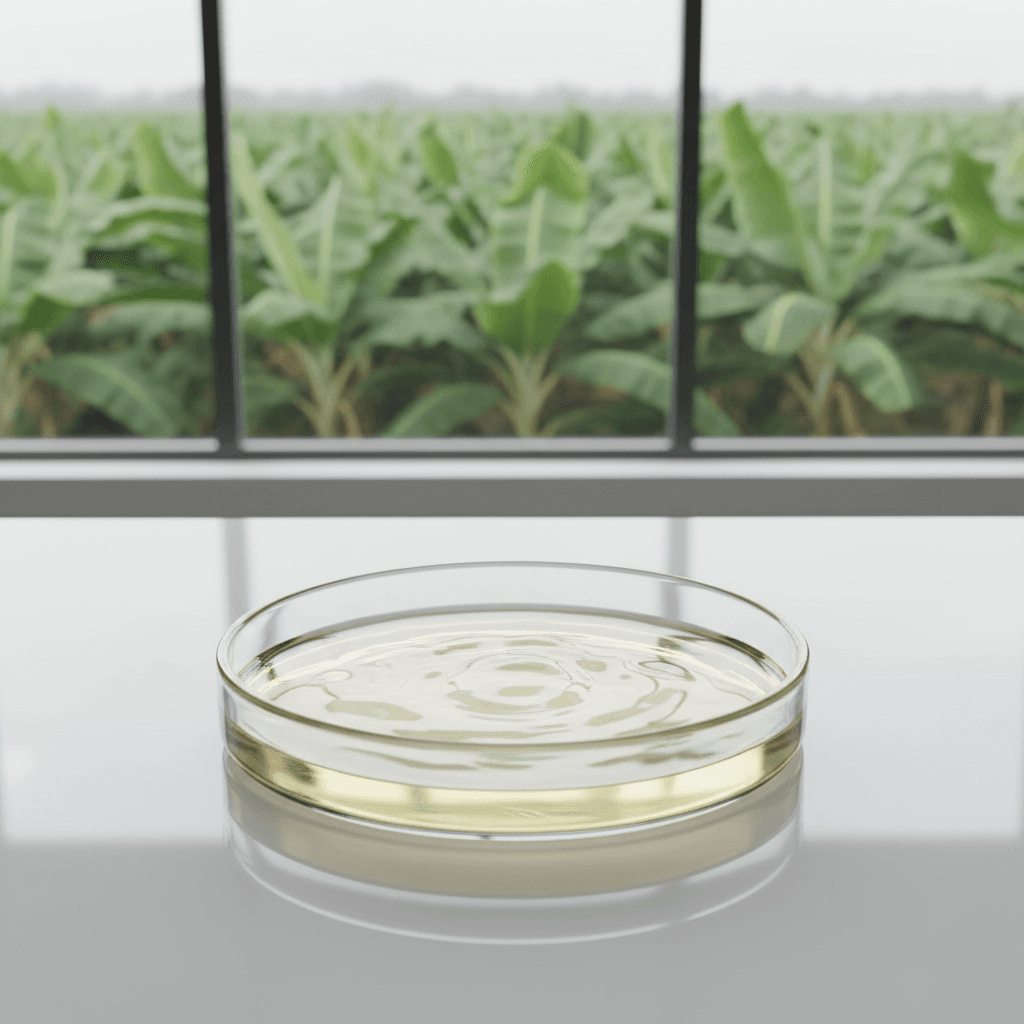
Optimizing Performance with 12-HSA: A Deep Dive for Formulators and Engineers
12-Hydroxy Stearic Acid (12-HSA) and its derivatives, particularly Methyl-12-Hydroxystearate, are gaining traction across diverse industrial applications. Their unique amphiphilic nature, derived from the combination of a long saturated alkyl chain and a secondary hydroxyl group, offers formulators and engineers a versatile building block for enhancing lubricity, controlling crystallinity, and improving the overall performance of complex systems. As demand for specialized greases, durable coatings, and high-performance polymers increases, understanding the nuances of 12-HSA becomes crucial for optimizing product design and performance. CanCastor, as a leading bulk supply provider, is committed to providing high-quality 12-HSA and its derivatives, catering to the evolving needs of the industry.
Understanding the Chemistry and Performance of Methyl-12-Hydroxystearate
Methyl-12-Hydroxystearate, produced by the hydrogenation and subsequent methanol esterification of castor oil, presents a compelling alternative to traditional petroleum-based additives. Unlike fully saturated hydrocarbons, the presence of the hydroxyl group imparts polarity and the ability to form hydrogen bonds. This subtle modification unlocks a range of performance benefits, including improved adhesion, enhanced lubricity, and the ability to structure complex formulations.
Lubricity Enhancement
In lubricant and grease formulations, Methyl-12-Hydroxystearate acts as both a base oil component and a co-thickener. Compared to conventional paraffinic oils, the hydroxyl group facilitates stronger interactions with metal surfaces, resulting in enhanced film strength and reduced friction. This is particularly beneficial in extreme pressure (EP) and anti-wear (AW) applications. Furthermore, the ester functionality contributes to improved low-temperature flow properties, preventing the lubricant from solidifying or becoming excessively viscous in cold environments. Independent studies have demonstrated significant reductions in the coefficient of friction when Methyl-12-Hydroxystearate is incorporated into grease formulations, especially those deployed in demanding industrial environments.
Polymer Modification and Plasticization
The incorporation of Methyl-12-Hydroxystearate into polymer matrices offers several advantages. As an internal lubricant, it reduces the friction between polymer chains during processing, leading to lower melt viscosity and improved moldability. This is especially relevant in injection molding and extrusion processes, where minimizing energy consumption and maximizing throughput are critical. The plasticizing effect of Methyl-12-Hydroxystearate also enhances the flexibility and impact resistance of the final product. Unlike traditional phthalate plasticizers, Methyl-12-Hydroxystearate is derived from a renewable resource and exhibits a more favorable toxicity profile, aligning with the growing demand for sustainable and environmentally friendly materials.
Structuring and Slip in Coatings and Personal Care Products
Methyl-12-Hydroxystearate plays a vital role in structuring waxes, polishes, and personal care products. Its controlled crystallinity allows for the formation of stable gel networks, providing the desired consistency and texture to sticks, balms, and creams. The long alkyl chain imparts a smooth, non-greasy feel, enhancing the sensory experience for the end-user. In coating applications, Methyl-12-Hydroxystearate functions as a slip agent, reducing the surface friction and improving the scratch resistance of the coating. This is crucial for maintaining the aesthetic appearance and extending the lifespan of coated surfaces.
Quality Control and Purity: Critical Considerations
For demanding industrial applications, the quality and purity of 12-HSA derivatives are of paramount importance. Variations in acid value, ester content, and color can significantly impact the performance and stability of the final product. At CanCastor, we maintain rigorous quality control measures throughout the production process, ensuring consistent and reproducible performance. Our Methyl-12-Hydroxystearate is produced from high-purity castor streams, with tight control on process parameters to minimize impurities and ensure compliance with stringent industry standards.
Safety and Handling Considerations
While generally considered safe for its intended applications, Methyl-12-Hydroxystearate, like any industrial chemical, requires careful handling. Always consult the Safety Data Sheet (SDS) before use and adhere to recommended safety precautions. Appropriate personal protective equipment (PPE), such as gloves and eye protection, should be worn during handling. Ensure adequate ventilation in the work area to minimize exposure to vapors or dust. In case of skin or eye contact, flush thoroughly with water and seek medical attention if irritation persists. Disposal should be carried out in accordance with local regulations. Download the SDS for 12‑Hydroxy Stearic Acid (12‑HSA) for detailed safety information.
Sourcing High-Quality 12-HSA for Industrial Applications
The reliable supply of high-quality 12-HSA is vital for maintaining consistent production and meeting market demands. CanCastor stands as a premier industrial source for Bulk Supply of 12‑Hydroxy Stearic Acid (12-HSA) and its derivatives. With our commitment to quality, technical expertise, and global distribution network, we are well-positioned to support your specific application needs. Discover more About CanCastor and our commitment to providing superior castor oil solutions. For specialized formulations, selecting the correct grade of 12-HSA and understanding its performance characteristics will optimize product outcomes. View 12‑Hydroxy Stearic Acid (12‑HSA) Specifications