Mastering Formulation with Natural Castor Oil Bio-Polyols: A Technical Guide for R&D Chemists
Chemical Engineer
For R&D chemists and researchers grappling with the dual challenge of enhancing product performance while meeting stringent sustainability mandates, the advent of bio-based materials offers a transformative pathway. The global bio-polyol market, projected to exceed $5 billion by 2027, underscores a pivotal shift towards renewable feedstocks, driven by environmental consciousness and regulatory pressures. At the forefront of this innovation are Natural Castor Oil Bio-Polyols – a high-performance, sustainable answer derived from the versatile Ricinus communis bean. CanCastor proudly delivers these technical-grade bio-polyols, engineered not just as alternatives, but as superior ingredients designed to unlock new levels of functionality and environmental responsibility in your formulations. This deep dive will equip you with the expertise to seamlessly integrate these sophisticated building blocks, ensuring your next generation of products sets new benchmarks.
The Chemical Edge: Understanding Natural Castor Oil Bio-Polyols
CanCastor's Natural Castor Oil Bio-Polyols are meticulously derived from the hydroxyl groups naturally present in castor oil's unique triglyceride structure, specifically its ricinoleic acid content. This inherent functionality makes castor oil a 'natural polyol' even before further modification. Our technical-grade bio-polyols, however, undergo controlled chemical transformations (e.g., esterification, transesterification, or further hydroxylation) to precisely tailor their hydroxyl value (OHV), functionality, molecular weight, and viscosity – critical parameters for reactive polymer systems.
Key Technical Specifications for Formulators
Understanding the precise specifications of our Natural Castor Oil Bio-Polyols is paramount for optimizing your formulations. Here are the core parameters R&D chemists must consider:
- Hydroxyl Value (OHV) (mg KOH/g): This defines the concentration of hydroxyl groups available for reaction, directly influencing the cross-link density and ultimate mechanical properties (e.g., hardness, flexibility, chemical resistance) of the final polymer. CanCastor offers a range of OHVs to suit various applications, typically from 50 to 200 mg KOH/g for diverse polyurethane applications, allowing for precise control over stoichiometry and polymer architecture.
- Functionality: While naturally occurring castor oil has an average functionality of 2.7, our bio-polyols are engineered to offer controlled, higher functionalities, typically ranging from 2.5 to 3.5. Higher functionality often leads to denser cross-linking, resulting in more rigid polymers, while lower functionality can yield more flexible systems.
- Viscosity (mPa·s at 25°C): Ranging from light oils to viscous liquids, viscosity impacts ease of processing, mixing, and dispensing. Our bio-polyols are designed for optimal handleability, with typical ranges from 500 to 5000 mPa·s, allowing for formulator flexibility in different application methods (e.g., spray, pour, brush).
- Acid Value (mg KOH/g): A low acid value (typically <2.0 mg KOH/g) indicates minimal free fatty acids, ensuring hydrolytic stability and preventing undesirable side reactions during polymerization.
- Water Content (%): Maintained at extremely low levels (typically <0.1%) to prevent detrimental foaming or reactivity with isocyanates in polyurethane systems.
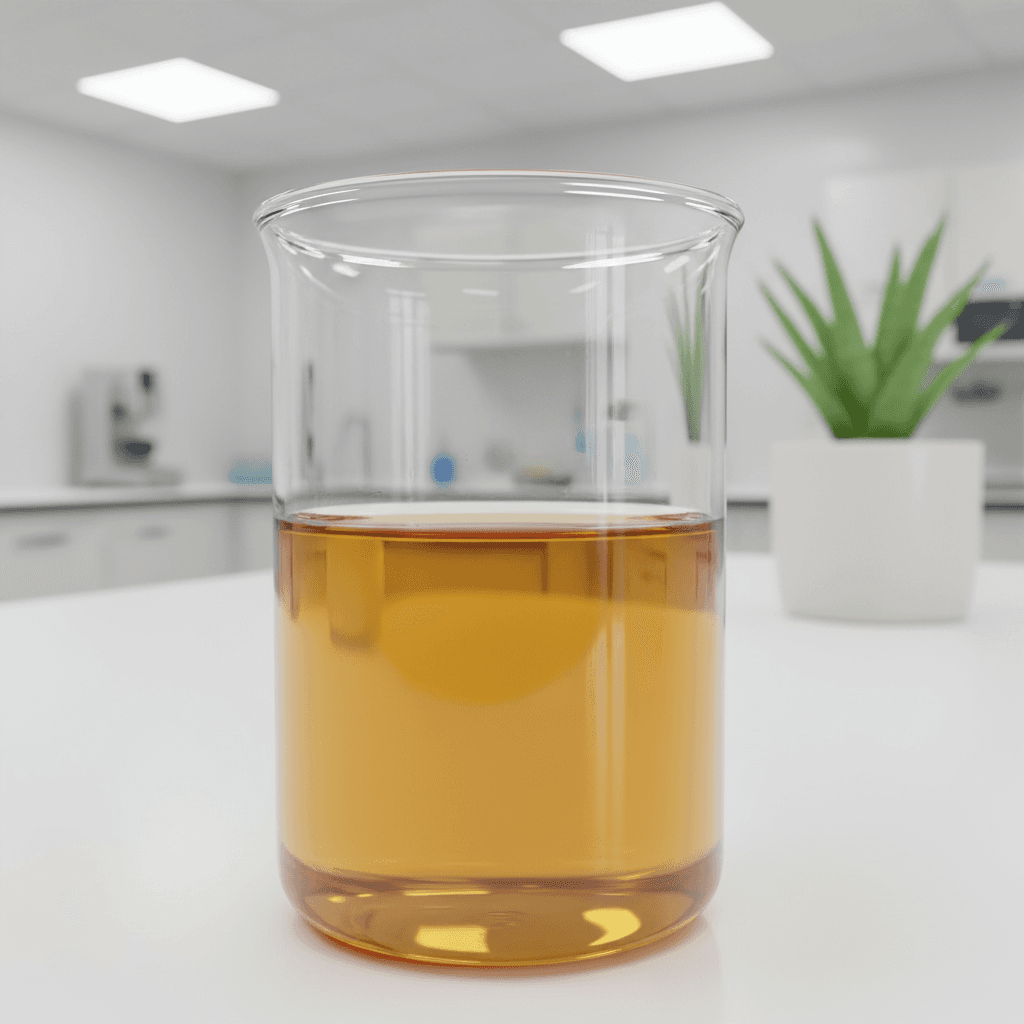
- Color (Gardner): Our technical grade bio-polyols are typically light yellow to amber, ensuring minimal impact on the final product's aesthetic appearance.
INCI and Regulatory Compliance
The base material, Ricinus Communis (Castor) Seed Oil, is a recognized INCI name. The derived bio-polyols are often referred to functionally as "Castor Oil Polyol" or "Poly(ricinoleate)". CanCastor's Natural Castor Oil Bio-Polyols are manufactured under strict quality controls and are designed to comply with relevant global chemical regulations, including REACH (Registration, Evaluation, Authorisation and Restriction of Chemicals) for the European market. This ensures transparent data on chemical properties and safe handling, critical for B2B buyers operating in regulated industries.
Formulating with CanCastor's Bio-Polyols: Concentration, Compatibility, and Processing
Integrating Natural Castor Oil Bio-Polyols into your formulations requires a nuanced understanding of their interaction with other components.
- Concentration Ranges: Our bio-polyols can constitute a significant portion of the polyol blend in various systems. In polyurethane coatings, they can range from 10-40% of the total polyol content to impart flexibility and adhesion. For flexible polyurethane foams, concentrations of 30-70% are common for achieving specific mechanical properties and density. In reactive adhesives and sealants, their inclusion can be anywhere from 20-60%, contributing to elasticity and bond strength. Formulators should conduct trials to optimize the loading for desired performance and cost-effectiveness.
- Compatibility Matrices: CanCastor's Natural Castor Oil Bio-Polyols demonstrate excellent compatibility with a wide array of industrial chemistries. They are particularly miscible with common polyether and polyester polyols, enabling hybrid systems that leverage the strengths of multiple polyol types. They also show good compatibility with various solvents (e.g., esters, ketones, aromatic hydrocarbons), plasticizers, and other additives commonly used in polymer formulations. When formulating polyurethane systems, these bio-polyols readily react with aliphatic and aromatic isocyanates (e.g., MDI, TDI, HDI, IPDI) to form robust polymer networks.
- Processing Parameters: The inherent reactivity of castor oil bio-polyols means careful control of processing conditions is essential. Typical reaction temperatures for polyurethanes range from 25°C to 80°C, depending on the catalyst system and desired cure rate. Mixing efficiency is crucial to ensure homogeneous reaction. The slightly higher viscosity of some castor oil polyols compared to petroleum-based alternatives can necessitate adjusted mixing speeds or minor solvent addition, though our optimized grades are designed for excellent processability. Consideration for pot life and gel time is also important, which can be tailored by catalyst selection (e.g., tertiary amines, organotin compounds) and concentration.
Real-World Impact: Application Scenarios and Case Studies
CanCastor's Natural Castor Oil Bio-Polyols are not just green alternatives; they are performance enhancers, proven across demanding industrial applications.
Case Study 1: High-Performance Bio-Based Polyurethane Coatings for Automotive Interiors
A leading automotive supplier sought to develop interior coatings that met stringent VOC regulations, offered superior scratch resistance, and enhanced soft-touch aesthetics, all while significantly increasing bio-content. By replacing 35% of their petroleum-derived polyol blend with CanCastor's technical-grade Castor Oil Bio-Polyol (OHV 150), they achieved a coating system with over 60% bio-based content. The resultant coating exhibited improved flexibility, maintaining adhesion even after extreme temperature cycling, and a notably enhanced tactile feel, surpassing the performance of the incumbent fossil-based formulation. This integration not only met their sustainability goals but also elevated the perceived quality and durability of their automotive interior components.
Case Study 2: Sustainable Adhesive Solutions for Flexible Packaging
In the rapidly evolving flexible packaging sector, manufacturers face intense pressure to adopt more sustainable materials without compromising bond strength or processing speed. A major packaging adhesive formulator utilized CanCastor's lower OHV Castor Oil Bio-Polyol (OHV 90) as a primary component (50% of polyol content) in a two-component polyurethane laminating adhesive system. This led to a significant increase in the adhesive's renewable content. Crucially, the adhesive demonstrated comparable, if not superior, peel strength across various film substrates (e.g., PET, OPP, Nylon) compared to its petrochemical predecessor. Furthermore, the adhesive maintained excellent thermal resistance and processing consistency, enabling seamless integration into existing high-speed laminating lines. This case highlights how our bio-polyols contribute to robust performance while aligning with global green mandates, as discussed in our related post on Dehydrated Castor Oil (DCO): Fueling Sustainable Industrial Growth and Green Mandates for ESG Leaders.
Why CanCastor: Your Partner in Technical Excellence and Reliability
Choosing CanCastor means partnering with a global leader committed to delivering unparalleled quality and technical support. We understand the critical needs of R&D chemists for consistent, high-performance ingredients.
Unwavering Quality and Documentation
Every batch of Natural Castor Oil Bio-Polyols undergoes rigorous quality control, ensuring it meets our exacting internal standards and your specific requirements. We provide comprehensive documentation for complete transparency and traceability, including:
- Certificates of Analysis (COA): Detailing batch-specific chemical and physical properties.
- Technical Data Sheets (TDS): Offering in-depth product specifications and application guidelines.
- Material Safety Data Sheets (MSDS): Providing essential information on safe handling, storage, and emergency procedures.
This commitment to documentation empowers your team to integrate our products with confidence, mitigating risks and streamlining your development cycles. For a deeper understanding of our raw material quality, consider our insights from Unlocking Superior Performance: A Technical Comparative Analysis of Pharmaceutical Grade Castor Oil (USP/BP) for R&D.
Reliable Bulk Logistics and Global Reach
As a premium global supplier, CanCastor specializes in the efficient and reliable delivery of bulk industrial chemicals. Our robust supply chain and extensive logistics network ensure that your operations receive our Natural Castor Oil Bio-Polyols exactly when and where you need them, minimizing downtime and maximizing productivity. Whether you require tank containers, drums, or IBCs, we have the infrastructure to support your scale. You can learn more about our commitment to sustainable and ethical sourcing by visiting About CanCastor's sourcing standards.
Dedicated Technical Support
Our team of technical experts is available to provide guidance on formulation challenges, product selection, and application optimization. We believe in collaborative innovation, working alongside your R&D teams to tailor solutions that meet your unique performance criteria.
Elevate Your Formulations with CanCastor's Natural Castor Oil Bio-Polyols
In a market increasingly demanding both performance and sustainability, CanCastor's Natural Castor Oil Bio-Polyols stand out as a technically superior choice for R&D chemists. Their versatility, robust performance characteristics, and undeniable green credentials make them an indispensable ingredient for future-proof formulations. We invite you to explore the full potential of these groundbreaking bio-polyols and integrate them into your next innovation cycle. Browse our full chemical catalog to discover our extensive range, or visit the specific Natural Castor Oil Bio-Polyols product page for detailed specifications. For inquiries regarding bulk supply and custom solutions, we encourage you to Request a wholesale quote today.