PGPR (Polyglycerol Polyricinoleate): A Castor-Derived Emulsifier for Modern Food and Chocolate
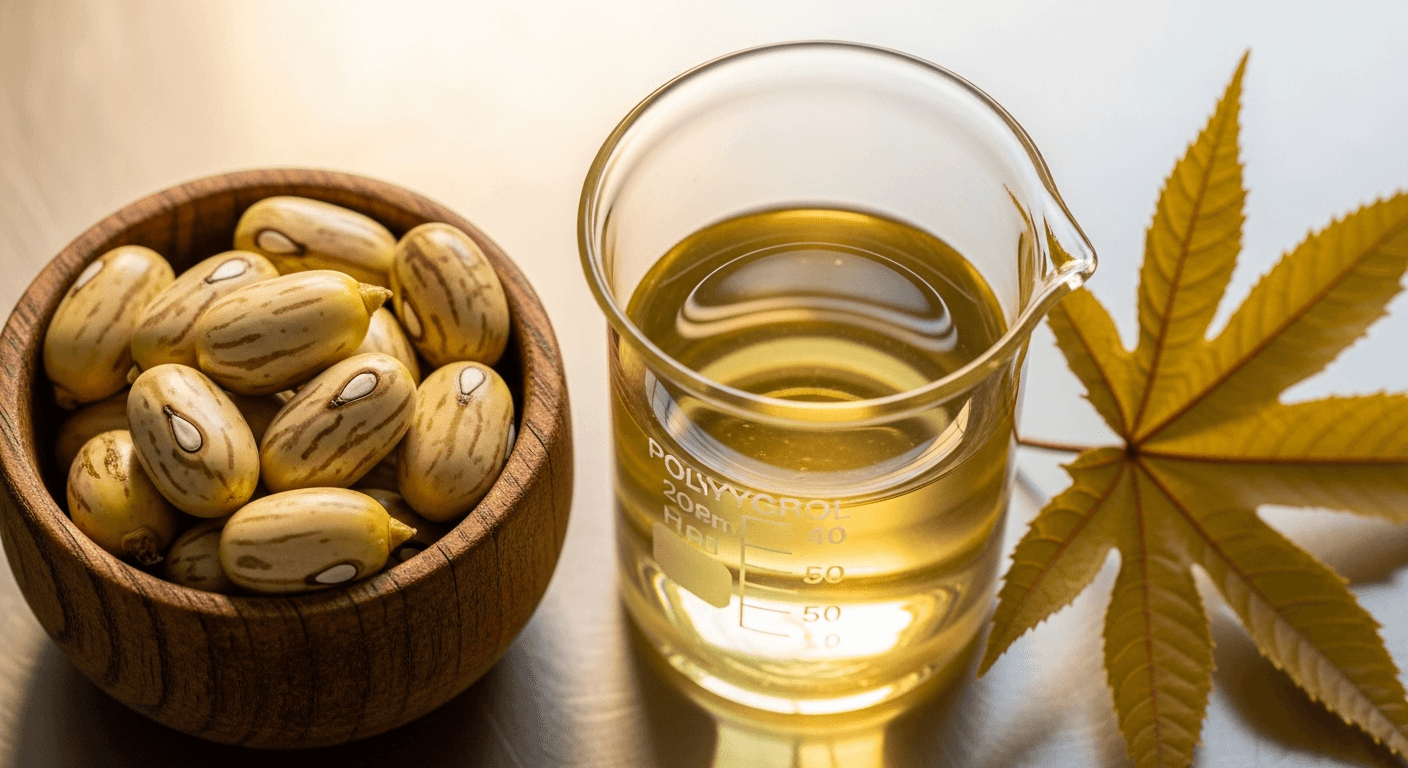
PGPR (Polyglycerol Polyricinoleate): A Castor-Derived Emulsifier for Modern Food and Chocolate
Polyglycerol Polyricinoleate (PGPR), a mouthful of a name for a remarkably versatile emulsifier, is revolutionizing the food industry, particularly in chocolate and confectionery. Derived from castor oil, PGPR offers unique advantages in improving texture, reducing costs, and enhancing product stability. This article delves into the world of PGPR, exploring its properties, applications, and the quality considerations that make CanCastor a reliable supplier of castor oil derivatives. Learn more about CanCastor.
What is PGPR and Why is it Used?
PGPR is a non-ionic emulsifier created by esterifying polyglycerol with ricinoleic acid, a fatty acid found abundantly in castor oil. Its primary function is to reduce the viscosity of chocolate and similar coatings, allowing for better flow and processing. This enhanced flow behavior translates to:
- Improved Coating: Creates thinner, more even coatings on confectionery products.
- Reduced Cocoa Butter Usage: By decreasing viscosity, PGPR reduces the need for expensive cocoa butter, offering significant cost savings.
- Enhanced Molding: Facilitates easier and more precise molding of chocolate products.
- Prevention of Bloom: Minimizes the formation of fat bloom, the undesirable white coating that can appear on chocolate surfaces.
Browse Collection for other amazing derivatives from CanCastor.
The Castor Oil Connection: A Sustainable Source
The cornerstone of PGPR is, of course, castor oil. CanCastor prides itself on sourcing high-quality castor beans and employing sustainable practices in our production processes. Here's why the castor oil connection is significant:
- Renewable Resource: Castor beans are a renewable resource, making PGPR a more sustainable choice compared to some synthetic emulsifiers.
- Unique Fatty Acid Profile: Ricinoleic acid, the dominant fatty acid in castor oil, imparts unique properties to PGPR, contributing to its effectiveness as an emulsifier.
- Consistent Supply: CanCastor ensures a reliable and consistent supply of castor oil derivatives, minimizing disruptions for our customers. You can review all of our Castor Oil Products here.
Applications of PGPR in the Food Industry
PGPR's versatility extends beyond chocolate. It finds applications in a variety of food products, including:
- Chocolate and Confectionery: As previously mentioned, PGPR is widely used in chocolate production to improve flow, reduce cocoa butter, and enhance molding.
- Margarine: Improves the stability and texture of margarine by helping to emulsify oil and water.
- Salad Dressings: Helps to stabilize emulsions and prevent separation in salad dressings.
- Spreads: Enhances the spreadability and texture of various food spreads.
Benefits of Using PGPR in Food Production
Adopting PGPR in food manufacturing yields notable benefits. These advantages solidify its place in modern food technology:
- Cost-Effectiveness: Reduces the need for expensive ingredients like cocoa butter, leading to significant cost savings.
- Improved Texture and Appearance: Enhances the texture, smoothness, and overall appearance of food products.
- Enhanced Stability: Improves the stability of emulsions and prevents separation, extending shelf life.
- Processing Efficiency: Facilitates easier processing and molding, increasing production efficiency.
Quality and Supply Chain: The CanCastor Difference
At CanCastor, we understand that the quality of PGPR depends heavily on the quality of the castor oil used in its production. That's why we maintain strict quality control measures throughout our supply chain, from sourcing castor beans to the final product. Our commitment to quality ensures:
- High-Purity Castor Oil: We use only high-purity castor oil that meets stringent quality standards.
- Controlled Production Process: Our production process is carefully controlled to ensure consistent quality and performance.
- Traceability: We maintain full traceability throughout our supply chain, allowing us to track the origin and processing of our products.
Addressing Common Concerns
While PGPR is generally recognized as safe (GRAS) by regulatory bodies like the FDA, some consumers may have concerns about its use. Here are some points to address common misconceptions:
- Safety: PGPR has been extensively studied and deemed safe for human consumption at the levels typically used in food products.
- Allergenicity: PGPR is not considered a common allergen.
- Source: While derived from castor oil, the manufacturing process removes any potential toxicity associated with the raw castor bean.
The Future of PGPR in Food Technology
As the food industry continues to evolve, PGPR is poised to play an increasingly important role. Its versatility, cost-effectiveness, and sustainability make it an attractive option for manufacturers looking to improve the quality and efficiency of their products. Further research and development are likely to uncover new applications for PGPR in the future.
Conclusion: Embrace the Power of Castor-Derived Emulsifiers
PGPR is a powerful and versatile emulsifier derived from castor oil that offers numerous benefits to the food industry. From improving chocolate texture to reducing costs, PGPR is a valuable tool for manufacturers seeking to enhance their products. CanCastor is your trusted partner for high-quality castor oil derivatives. Contact Us today to learn more about our products and how we can help you achieve your goals. Visit our CanCastor Home page for an overview of our offerings.