Mastering Compliance: Navigating Regulatory Landscapes for POE 20 Sorbitan Mono Laurate (Polysorbate 20)
Chemical Engineer
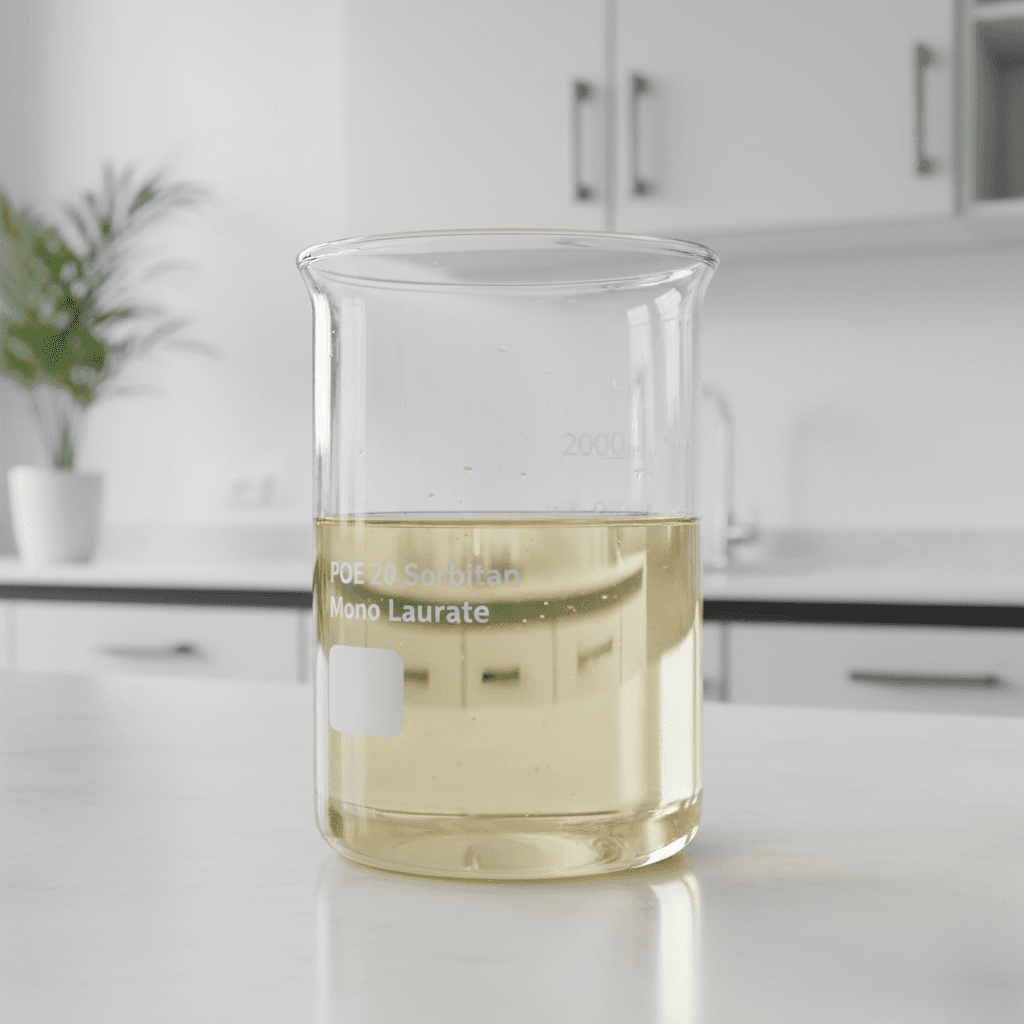
In an era where regulatory scrutiny intensifies and global supply chains demand impeccable transparency, the selection and handling of specialty chemicals are paramount for industrial integrity and consumer safety. For compliance officers and industrialists across the pharmaceutical, food, and cosmetic sectors, understanding the multifaceted regulatory landscape of key excipients is not merely good practice—it's a non-negotiable operational imperative. POE 20 Sorbitan Mono Laurate, universally recognized by its INCI name Polysorbate 20 (CAS No. 9005-64-5), stands as a cornerstone non-ionic surfactant. Its widespread application, driven by exceptional emulsifying and solubilizing properties, necessitates an acute awareness of its technical specifications, safety protocols, and intricate regulatory frameworks to mitigate risk and ensure uninterrupted, compliant production.
The Indispensable Role of Polysorbate 20: A Technical and Regulatory Deep Dive
POE 20 Sorbitan Mono Laurate (Polysorbate 20) is a polyoxyethylene (20) sorbitan monolaurate, derived from lauric acid and polyethoxylated sorbitan. Its hydrophilic-lipophilic balance (HLB) value, typically around 16.7, positions it as an excellent oil-in-water emulsifier and solubilizer. This unique chemical structure enables it to stabilize immiscible phases, an attribute critical for maintaining product homogeneity and efficacy across various formulations. However, its utility is inextricably linked to stringent quality control and regulatory adherence, especially when supplied as a Food/Pharma/Cosmetic Grade material.
GHS Classifications and Industrial Safety Protocols
Understanding the Global Harmonized System (GHS) classification for Polysorbate 20 is fundamental for safe handling and storage. While generally considered a low-hazard substance, GHS provides a standardized framework for communicating potential risks, ensuring that safety data sheets (SDS/MSDS) are universally understood. For Polysorbate 20, typical classifications indicate it is not acutely toxic, nor is it a skin irritant or sensitizer in most concentrations. However, adherence to industrial safety protocols, including appropriate personal protective equipment (PPE) such as safety goggles and gloves, remains essential, especially during bulk handling or in environments where spills might occur. Comprehensive employee training, robust spill containment strategies, and proper ventilation in storage areas are crucial to minimize operational risk and uphold occupational health standards, aligned with OSHA guidelines.
Navigating Global Regulatory Compliance: REACH, EU CLP, and FDA
For B2B buyers operating in international markets, compliance extends beyond GHS. The European Union's REACH (Registration, Evaluation, Authorisation and Restriction of Chemicals) regulation requires manufacturers and importers of chemical substances to register them with the European Chemicals Agency (ECHA). Polysorbate 20, due to its widespread use, is a registered substance, with detailed dossiers outlining its properties, hazards, and safe uses. Similarly, the EU CLP (Classification, Labelling and Packaging) Regulation mandates specific hazard communication elements on product labels and in SDS, ensuring consistency with GHS. CanCastor ensures all necessary registrations and documentation are in place, facilitating seamless market access for our partners in the EU.
In the United States, Polysorbate 20 intended for use in pharmaceuticals and food products is regulated by the Food and Drug Administration (FDA). As a pharmaceutical excipient, it must comply with the United States Pharmacopeia (USP) or National Formulary (NF) monographs, which specify purity standards, identification tests, and other quality parameters. For food applications, it is often considered Generally Recognized As Safe (GRAS) under specific conditions of use, and its presence in food ingredients must adhere to relevant Code of Federal Regulations (CFR) titles. The global market for emulsifiers and surfactants, valued at over $40 billion annually and projected to grow steadily, underscores the critical need for suppliers who can consistently meet these divergent and often stringent regulatory requirements. CanCastor's expertise in this complex landscape is invaluable for our clients.
Purity, Stability, and the Impact on End-Product Integrity
The Food/Pharma/Cosmetic Grade designation of POE 20 Sorbitan Mono Laurate signifies a heightened level of purity, often with low levels of impurities such as ethylene oxide, 1,4-dioxane, and heavy metals. These contaminants, even in trace amounts, can compromise the safety, stability, and efficacy of sensitive formulations. For example, in parenteral drug formulations, endotoxin levels are a critical concern. CanCastor’s Polysorbate 20 adheres to strict specifications to minimize these risks, ensuring product integrity and patient safety. Furthermore, the stability of Polysorbate 20 itself—its resistance to oxidation and hydrolysis—is crucial for maintaining the shelf-life and performance of the final product. Suppliers must provide robust data on these parameters, including Certificates of Analysis (CoA) and Technical Data Sheets (TDS), to empower compliance officers with the necessary information for risk assessment and quality assurance.
Critical Applications and Industry Compliance Scenarios
Polysorbate 20’s versatile properties make it an indispensable component across various industries, each with its unique regulatory and safety considerations.
Pharmaceutical Formulations: Ensuring Drug Efficacy and Safety
In the pharmaceutical industry, Polysorbate 20 serves as a critical solubilizer for poorly water-soluble active pharmaceutical ingredients (APIs), an emulsifier in topical creams and ointments, and a wetting agent in oral suspensions. It is frequently employed in vaccine formulations to stabilize antigens and enhance their immunogenicity. A notable real-world application involves its use in biopharmaceutical manufacturing, particularly in the formulation of monoclonal antibodies. Here, Polysorbate 20 acts as a non-ionic surfactant to prevent protein aggregation and denaturation during processing and storage, thereby maintaining the therapeutic integrity and shelf-life of these complex biologics. Compliance with USP and EP (European Pharmacopoeia) monographs, along with comprehensive stability data, is paramount. Choosing a supplier like CanCastor, which provides [POE 20 Sorbitan Mono Laurate (Polysorbate 20) product page](/shop/poe-20-sorbitan-mono-laurate-polysorbate-20) with full documentation, directly impacts drug safety and regulatory approval.
Food & Beverage Industry: Taste, Texture, and Regulatory Adherence
For food and beverage manufacturers, Polysorbate 20 functions as an emulsifier in dairy-free products, a solubilizer for flavorings and essential oils in beverages, and an anti-foaming agent in fermentation processes. Its role in stabilizing emulsions is vital for product consistency and consumer appeal. For example, in the production of vegan ice creams, Polysorbate 20 can enhance texture and prevent ice crystal formation, much like traditional dairy emulsifiers. This requires adherence to FDA GRAS guidelines and potentially Kosher or Halal certifications, depending on the market. Manufacturers must also consider its impact on other ingredients; for instance, understanding the interplay of different emulsifiers, as discussed in our post on [Optimizing Bakery Supply Chains: Procurement Intelligence for Proprietory Emulsifier Blends (Mono & Diglycerides, SSL)](/blog/bakery-emulsifier-procurement-mono-diglycerides-ssl), is key to superior product development and compliance.
Cosmetics and Personal Care: Formulating for Safety and Performance
In cosmetics, Polysorbate 20 is widely used as an emulsifier in creams, lotions, and serums, and as a solubilizer for fragrances, essential oils, and oil-soluble vitamins in water-based formulations. Its mildness makes it suitable for sensitive skin products. For instance, in an anti-aging serum, Polysorbate 20 might solubilize an active botanical extract, ensuring its even dispersion and bioavailability without compromising skin compatibility. Compliance with regulations such as the EU Cosmetics Regulation (EC) No 1223/2009 and CTFA (Cosmetic, Toiletry, and Fragrance Association) guidelines is essential. The consistent quality and low impurity profile of a Cosmetic Grade Polysorbate 20 are critical to avoid skin irritation and meet product safety standards. For comparison with other solubilizers, one might look at [Mastering Emulsification: POE 20 Sorbitan Mono Oleate (Polysorbate 80) as the Gold Standard for Stable Formulations](/blog/polysorbate-80-poe-20-sorbitan-mono-oleate-formulation-standard), understanding the nuances between Polysorbate 20 and Polysorbate 80.
Why CanCastor: Your Partner in Trustworthy Chemical Sourcing
For compliance officers and industrialists, the choice of a chemical supplier is a strategic decision that directly impacts operational continuity, regulatory standing, and ultimately, brand reputation. CanCastor understands these imperatives and is committed to being more than just a supplier—we are a trusted partner in risk reduction and quality assurance.
Unwavering Quality and Documentation Rigor
Our Food/Pharma/Cosmetic Grade POE 20 Sorbitan Mono Laurate (Polysorbate 20) is produced under stringent quality management systems, ensuring consistent purity and performance batch after batch. We provide comprehensive documentation packages for every shipment, including:
- Certificates of Analysis (CoA): Detailed analytical reports confirming compliance with specified purity and quality parameters.
- Technical Data Sheets (TDS): In-depth product specifications, physical properties, and recommended uses.
- Safety Data Sheets (SDS/MSDS): Up-to-date, GHS-compliant information on safe handling, storage, and emergency procedures.
- Regulatory Compliance Statements: Confirming adherence to relevant international standards like REACH, FDA, USP, EP, and various food certifications (e.g., Kosher, Halal where applicable).
This meticulous documentation not only streamlines your internal auditing processes but also provides an indisputable record of material quality, crucial for regulatory inspections and product traceability. Learn more about [About CanCastor's sourcing standards](/p/about) and our commitment to excellence.
Robust Supply Chain and Bulk Logistics Capabilities
Reliability in supply is paramount. CanCastor leverages extensive global logistics networks and strategic warehousing to ensure stable, on-time delivery of bulk POE 20 Sorbitan Mono Laurate (Polysorbate 20) worldwide. Our capabilities range from drum quantities to ISO tanks, designed to meet the specific demands of large-scale industrial operations. This robust supply chain minimizes disruptions, helping you maintain continuous production and meet market demand without compromise. For larger requirements, [Request a wholesale quote](/quote) directly through our platform.
Commitment to Certifications and Industry Standards
CanCastor's commitment to quality is underscored by our adherence to relevant industry certifications, including ISO standards for quality management and environmental responsibility. We continuously monitor and adapt to evolving regulatory landscapes, ensuring that our products and processes remain at the forefront of compliance. When you [Browse our full chemical catalog](/shop), you'll find our dedication to quality and transparency extends across our entire product range, reflecting our deep understanding of B2B industrial needs.
Conclusion: Your Foundation for Regulatory Success
In the dynamic world of specialty chemicals, the responsible sourcing of critical excipients like POE 20 Sorbitan Mono Laurate (Polysorbate 20) is fundamental to operational excellence and regulatory compliance. For compliance officers and industrialists, partnering with a supplier that not only provides high-quality, Food/Pharma/Cosmetic Grade materials but also offers unwavering support through comprehensive documentation, robust logistics, and deep regulatory expertise is indispensable. CanCastor is dedicated to providing the trusted foundation upon which your products can thrive, ensuring safety, efficacy, and compliance at every step. Elevate your operational standards and secure your supply chain with a partner committed to your success.
View POE 20 Sorbitan Mono Laurate (Polysorbate 20) Technical Specifications