Castor Oil Derivatives Explained: Sebacic Acid, Heptanoic Acid, and Beyond
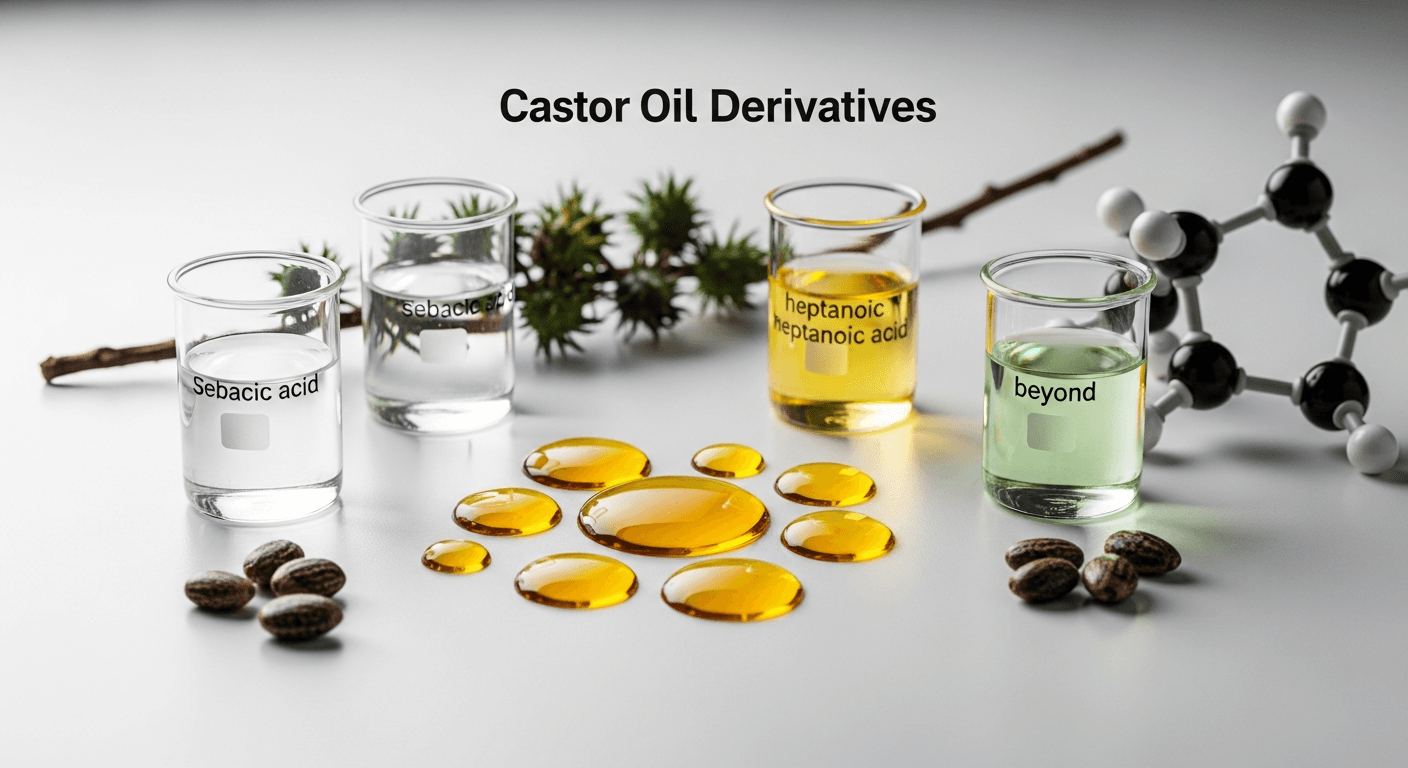
Castor Oil Derivatives Explained: Sebacic Acid, Heptanoic Acid, and Beyond
Castor oil, derived from the seeds of the Ricinus communis plant, is more than just a traditional remedy. It's a versatile raw material with a wide range of industrial applications. At CanCastor, we pride ourselves on providing high-quality castor oil and its derivatives, meeting the diverse needs of our customers. This article delves into the fascinating world of castor oil derivatives, exploring their unique properties, uses, and the rigorous quality standards we uphold at CanCastor.
What are Castor Oil Derivatives?
Castor oil's unique chemical structure, primarily composed of ricinoleic acid, makes it an excellent feedstock for producing a variety of valuable derivatives. These derivatives are created through chemical processes that modify the ricinoleic acid molecule, resulting in substances with distinct properties and applications. Understanding these derivatives is crucial for appreciating the true potential of castor oil. Browse Collection of Castor Oil Products.
Sebacic Acid: A Key Castor Oil Derivative
Sebacic acid is one of the most important and widely used castor oil derivatives. It is a dicarboxylic acid, meaning it has two carboxyl groups in its molecule. This unique structure makes it an ideal building block for numerous industrial applications.
Uses of Sebacic Acid
- Plastics and Polymers: Sebacic acid is used in the production of various plastics, including nylon (specifically Nylon 6,10), which exhibits excellent flexibility, impact resistance, and low-temperature performance. These polymers find applications in automotive parts, electrical components, and textiles.
- Lubricants and Greases: Its excellent thermal stability and lubricating properties make sebacic acid a valuable component in high-performance lubricants and greases, especially for aerospace and automotive applications.
- Cosmetics and Personal Care: Sebacic acid derivatives are used as emollients, plasticizers, and film formers in cosmetics, providing desirable textures and properties to creams, lotions, and hair care products.
- Pharmaceuticals: Sebacic acid is utilized in the synthesis of certain pharmaceutical intermediates and drug delivery systems.
Heptanoic Acid: Another Valuable Derivative
Heptanoic acid, also known as enanthic acid, is another important derivative obtained from castor oil. It is a saturated fatty acid with seven carbon atoms. While less common than sebacic acid, heptanoic acid offers unique properties that make it valuable in specific applications.
Uses of Heptanoic Acid
- Flavors and Fragrances: Heptanoic acid is used as a flavoring agent in food and beverages, imparting a fatty, slightly cheesy aroma. It is also used in the production of fragrances.
- Pharmaceuticals: Heptanoic acid derivatives have applications in the pharmaceutical industry as intermediates in the synthesis of various drugs.
- Lubricants: It can be used as a component in certain specialized lubricants.
Other Castor Oil Derivatives
Beyond sebacic and heptanoic acids, castor oil can be transformed into a wide array of other valuable derivatives, each with its unique set of properties and applications. These include:
- Ricinoleic Acid: The primary component of castor oil, used directly in some applications as a surfactant and emulsifier.
- Undecylenic Acid: An antifungal agent used in topical medications.
- Dehydrated Castor Oil (DCO): Used in paints, coatings, and inks due to its drying properties.
- Hydrogenated Castor Oil: A wax-like substance used as a thickener and emollient in cosmetics and lubricants.
The CanCastor Difference: Quality and Sustainability
At CanCastor, we are committed to providing our customers with the highest quality castor oil derivatives. We source our castor beans from trusted growers who adhere to sustainable agricultural practices. Our state-of-the-art processing facilities ensure that our derivatives are produced to the strictest quality standards, meeting the diverse needs of our customers. We also maintain a transparent supply chain, ensuring traceability and accountability from the farm to the final product. Learn about CanCastor and our mission.
Our Quality Assurance Process
- Careful Bean Selection: We meticulously choose high-quality castor beans to ensure the best possible starting material.
- Stringent Quality Control: Our derivatives undergo rigorous testing at every stage of production.
- Sustainable Practices: We are committed to environmentally friendly and socially responsible practices.
Choosing the Right Castor Oil Derivative
Selecting the appropriate castor oil derivative for your specific application can be complex. Factors such as desired properties, regulatory requirements, and cost considerations all play a role. Our team of experts at CanCastor is always available to provide guidance and support. We can help you navigate the wide range of derivatives and find the perfect solution for your needs. Whether you are formulating a new cosmetic product, developing a high-performance lubricant, or searching for a sustainable raw material, we have the expertise and resources to help you succeed.
Conclusion: Embrace the Versatility of Castor Oil Derivatives
Castor oil derivatives offer a remarkable combination of versatility, sustainability, and performance. From sebacic acid in high-performance plastics to heptanoic acid in flavorings, these derivatives are essential components in a wide range of industries. At CanCastor, we are proud to be a leading supplier of high-quality castor oil and its derivatives. We are committed to providing our customers with the products, expertise, and support they need to thrive. Contact Us today to learn more about our products and services and explore how castor oil derivatives can benefit your business. Be sure to check out the CanCastor Home page for more details and options.