CanCastor's Methyl Ricinoleate: A Sustainable Building Block for Advanced Formulations
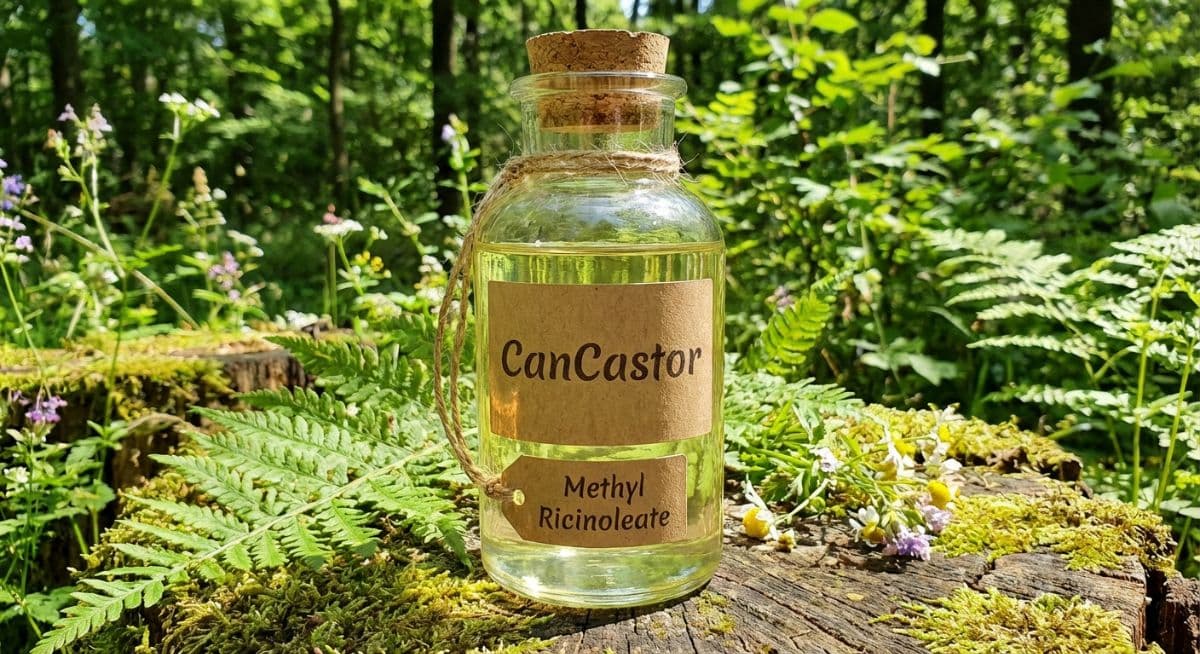
CanCastor's Methyl Ricinoleate: A Sustainable Building Block for Advanced Formulations
In the realm of chemical innovation, CanCastor proudly presents Methyl Ricinoleate, a high-performance, bio-based solution meticulously derived from castor oil. This versatile methyl ester embodies the principles of sustainable chemistry, offering a unique chemical profile that combines a long hydrophobic chain with a reactive hydroxyl group. This dual functionality positions it as an indispensable ingredient across a spectrum of industrial applications, including advanced lubricants, renewable plasticizers, and essential intermediates in polymers, coatings, and specialty chemical formulations.
Leveraging CanCastor’s decades of expertise in castor derivatives, our Methyl Ricinoleate is manufactured through precisely controlled esterification or alcoholysis processes. This meticulous approach ensures exceptional purity, consistent quality, and minimal moisture content, specifically tailored to meet the stringent demands of modern industries actively seeking eco-friendly alternatives without compromising performance.
The Science Behind Methyl Ricinoleate
Methyl Ricinoleate, chemically known as the methyl ester of ricinoleic acid, is the primary fatty acid constituent naturally found in castor oil (Ricinus communis). Characteristically, it appears as a clear to pale-yellow, viscous liquid at room temperature. Its physical properties are distinguished by its insolubility in water, owing to the long hydrocarbon chain, but it exhibits excellent miscibility with a diverse array of organic solvents and oils, facilitating its incorporation into various formulations.
The distinct molecular structure of Methyl Ricinoleate is the key to its exceptional performance. The presence of the hydroxyl group (-OH) at the 12th carbon position on the fatty acid chain introduces polarity, enabling hydrogen bonding and contributing to its solvency characteristics. The long hydrocarbon chain provides lubricity and film-forming properties. These structural features combined impart exceptional lubricity, high film strength, and excellent wetting properties, making it a superior choice for formulations demanding enhanced performance and stringent bio-based credentials.
CanCastor’s unwavering commitment to quality assurance ensures that our Methyl Ricinoleate consistently delivers reliable results, empowering our clients to develop more sustainable end-products without sacrificing efficacy or performance standards.
Key Applications and Advantages
CanCastor's Methyl Ricinoleate presents a compelling array of advantages across diverse sectors, driven by its unique properties as a renewable fatty-acid ester. Let's explore some key applications:
-
Advanced Lubricants and Metalworking Fluids: Methyl Ricinoleate stands out as a premier bio-based lubricant and additive. In hydraulic fluids, cutting oils, gear oils, and synthetic lubricants, it significantly enhances lubricity, effectively reducing friction and wear. Its high film strength ensures robust protection under extreme pressure conditions. Furthermore, it guarantees superior low-temperature performance, making it ideally suited for demanding industrial machinery and automotive applications. The inherent polarity of Methyl Ricinoleate promotes excellent metal adhesion and superior anti-wear properties, extending the operational lifespan of equipment.
-
Polymer and Coating Industry: As an effective renewable plasticizer, Methyl Ricinoleate imparts flexibility and durability to a wide range of polymers, including cellulosic resins, polyvinyl acetate (PVA), polystyrene, and certain elastomers. Its compatibility allows for the creation of more pliable and environmentally sound materials. It also serves as a critical component in thermosetting elastomers and specialty resins, enhancing their processability and performance characteristics.
-
Corrosion Inhibitors and Additives: The surface-active nature and polar functional groups of Methyl Ricinoleate make it an excellent additive in corrosion-inhibitor packages, fuels, and oils. It forms a robust protective barrier on metal surfaces, effectively extending the lifespan of metallic components and improving overall system efficiency. Its ability to displace water and other corrosive agents further contributes to its effectiveness.
-
Personal Care and Surfactant Systems: In carefully selected cosmetic and personal care formulations, Methyl Ricinoleate functions as a superb dispersing agent, emulsion stabilizer, conditioning agent, and emollient. It contributes to improved product stability and enhances the sensory experience (skinfeel), making it a valuable ingredient in lotions, creams, and other personal care items. Its non-ionic nature makes it compatible with a wide range of surfactants.
-
Emerging Sustainable Solutions: Driven by the increasing demand for biodegradable plastics and eco-friendly materials, Methyl Ricinoleate is at the forefront of innovation. It is actively being investigated as a sustainable building block, capable of partially replacing petrochemical inputs in various polymer and chemical processes. This substitution significantly reduces the environmental footprint of numerous products, promoting a more circular economy.
Specifications at a Glance
CanCastor adheres to rigorous quality standards in the production of our Methyl Ricinoleate. While detailed specifications are readily available upon request, the following are typical characteristics:
- Purity: High, typically exceeding 90% Methyl Ricinoleate content, as determined by gas chromatography.
- Acid Value: Low, indicating minimal free fatty acid content, ensuring stability and minimizing undesirable reactions. Typically less than 1 mg KOH/g.
- Hydroxyl Value: Consistent, reflecting the reliable presence of the crucial hydroxyl group. Typically in the range of 160-180 mg KOH/g.
- Iodine Value: Characteristic of its unsaturated fatty acid profile, providing insight into its reactivity and oxidation stability. Typically in the range of 80-90 g I2/100g.
- Appearance: Clear, pale-yellow, viscous liquid, free from particulate matter.
- Moisture Content: Controlled to low levels, ensuring product stability and preventing hydrolysis. Typically less than 0.1%.
By selecting CanCastor's Methyl Ricinoleate, manufacturers gain access to a powerful, sustainable chemical solution that not only enhances product performance but also aligns seamlessly with global environmental objectives. Discover how this innovative castor oil derivative can elevate your formulations and contribute to a more sustainable future. Contact us today to request samples, detailed specifications, and expert technical support.